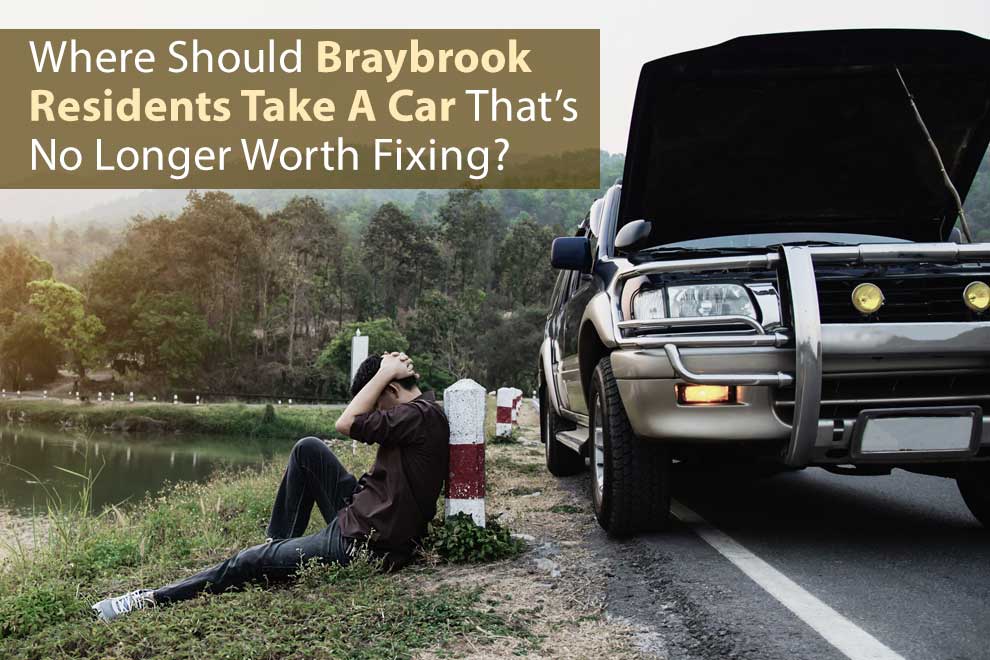
Keeping a vehicle in Braybrook that has a higher repair cost than its value adds unnecessary financial burden. Registration, insurance, storage, towing, and repeated workshop visits can quickly exceed the vehicle’s value.
A sensible car disposal decision starts with checking the car’s condition, ownership documents, removal arrangements, and likely resale route. The following steps explain where Braybrook residents should take an unrepairable car and what to prepare before collection.
A vehicle recycler is usually the most practical contact for a car with no sensible repair path. A local service such as car wreckers in Braybrook can assess unwanted, damaged, unregistered, scrap, hybrid, and electric vehicles according to their condition. This option keeps the process straightforward because the car can be valued, collected, dismantled, or recycled.
Signs Repair No Longer Makes Sense
Before making a decision about repairs, car owners should weigh the car’s age, market value, and reliability expectations. A major engine, transmission, electrical, or structural repair can cost more than the vehicle is worth, especially when other faults already exist.
Repeated breakdowns also change the financial calculation. Regular towing, replacement parts, and workshop diagnosis can delay disposal without resolving the car’s wider mechanical problems.
Safety provides another clear reason to stop repairing. Flood damage, fire damage, severe collision damage, and extensive rust can affect structural components and electrical systems beyond practical repair.
Check the Car Before Booking Removal
The vehicle’s condition affects its valuation, so accurate details help produce a fair assessment. Owners should record the make, model, year, kilometres, registration status, damage, missing parts, and whether the engine starts.
Photographs should show exterior damage, interior condition, tyre status, and identification details. Clear images reduce follow-up questions and help determine which equipment the collection driver needs.
Personal belongings should be removed before pickup. Items often stay in gloveboxes, door pockets, boot compartments, and under seats after a vehicle is no longer used.
Prepare Ownership Documents
Proof of ownership keeps the sale straightforward. The owner should locate registration details, identification, service records, finance information, and documents connected with insurance or previous damage.
A registered vehicle can require further steps before disposal. Owners should check its registration status and keep written confirmation of the sale, collection, and agreed payment.
If another person owns the vehicle, that person must approve the transaction. Finance interests also require attention because a lender can retain an interest until the account is settled.
Compare Removal and Payment Arrangements
Removal terms should be confirmed before an appointment is booked. The listed service details include free car removal, same-day or next-day pickup, instant payment, and paperwork assistance.
The quoted amount should reflect the vehicle details supplied during the assessment. Owners should confirm whether the price includes towing, whether payment occurs during collection, and which documents the driver requires.
Collection access also matters. Narrow driveways, underground car parks, locked steering, flat tyres, and non-running engines can all affect loading arrangements. Providing these details early helps prevent delays on pickup day.
Choose Recycling for Unrepairable Vehicles
A vehicle that cannot safely return to the road still contains useful materials and parts. Reusable components can be removed for resale, while metals and other materials can enter suitable recycling streams.
Responsible dismantling also removes the need to store an unsafe car at home. It clears driveway space, limits leaks, and prevents an abandoned vehicle from becoming a local nuisance.
Hybrid and electric vehicles require careful handling because their battery systems differ from conventional petrol and diesel vehicles. Owners should describe the powertrain accurately before collection, especially after collision or water damage.
Avoid Leaving the Car In Public
An abandoned vehicle can create registration, parking, and disposal problems. Leaving it on a street, footpath, vacant block, or shared access area does not remove the owner’s responsibilities.
Private property provides a better temporary location until collection. If the car blocks access, leaks fluids, or creates a hazard, owners should arrange removal promptly rather than allowing its condition to worsen.
Braybrook residents should keep the buyer’s contact details, agreed price, pickup date, and payment method. These records provide a clear reference if questions arise later.
Conclusion
A Braybrook car that has become unsafe or uneconomical to repair should enter a suitable disposal or recycling pathway instead of remaining unused. Owners can simplify the process by documenting the vehicle, preparing ownership papers, describing access conditions, and confirming removal terms before booking.
The next step is to gather the car’s details and photographs, request a written quote, and arrange collection once payment and paperwork requirements are clear.