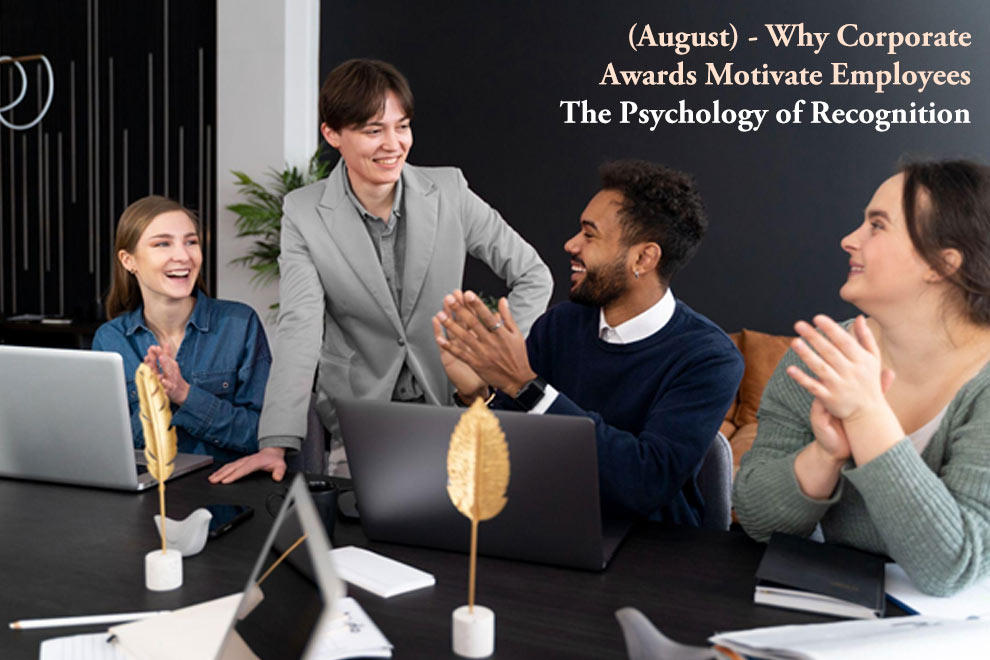
Hybrid work has reshaped what people expect from their jobs. Yes, pay matters. Of course it does. But most employees also want to know their effort is noticed, valued, and not quietly disappearing into a Slack thread no one reads.
That is where corporate awards can do real work. When they are personal, timely, and connected to actual contribution, they turn everyday effort into something visible. Recognition also supports retention: Well‑recognized employees were 45% less likely to have changed organizations two years later. So no, recognition is not fluffy HR decoration. Done well, it helps you keep good people engaged.
Understanding the Psychology Behind Recognition at Work
Before awards can motivate anyone, you need to understand why recognition lands so deeply. The best programs speak to identity, belonging, and progress.
Why Recognition Feels So Powerful
At its core, the psychology of recognition is about being seen. People want to know their work matters to someone beyond themselves.
An online employee recognition program gives remote and hybrid teams a simple way to make appreciation visible through digital notes, video shoutouts, rewards, and shared celebrations, so meaningful work is less likely to slip by unnoticed.
Intrinsic and Extrinsic Drivers
Some employees are fueled by purpose, growth, craft, or pride in the team. Others also appreciate public praise, rewards, and formal awards.
Strong workplace recognition programs make room for both. They do not turn appreciation into a prize machine, but they also do not pretend rewards have no motivational value.
Theories That Explain It
Maslow points us toward belonging and esteem. Herzberg reminds leaders that recognition can be a genuine motivator, not just a pleasant extra.
Self-Determination Theory adds another layer. People tend to perform better when they feel capable, connected, and trusted. Once recognition supports those needs, it can influence real behavior.
How Awards Strengthen Motivation and Productivity
When recognition connects with deeper human needs, employees often repeat the actions that earned it. That is especially true when praise feels specific, fair, and close to the moment.
Clear Goals Become More Meaningful
When corporate awards are linked to clear goals, they show employees what excellent work looks like. That kind of clarity helps people focus without making recognition feel stiff or forced.
Good awards do more than say, “Nice work.” They say, “This behavior matters here.” That message sticks.
Timely Praise Beats Generic Praise
Praise has a shelf life. A thank-you delivered six months later may still be appreciated, but it usually does not hit the same way.
When managers recognize effort quickly, employee motivation gets a stronger boost because people can connect the reward to the work they just did.
Industry Use Cases
Tech companies may use awards to highlight innovation, problem-solving, or smart collaboration. Healthcare teams may focus on compassion, reliability, and teamwork.
Remote teams need even more intentional visibility. Great work can hide behind screens, calendar blocks, and quiet competence. Awards help bring that effort into the open.
Rethinking Recognition Beyond Traditional Awards
Annual trophies and formal ceremonies still have a place. They can feel meaningful, even memorable. But they cannot carry an entire recognition strategy alone.
Modern teams need appreciation that is active, social, and easy to share.
Personalization Matters
A generic certificate might tick a box. A thoughtful note about someone’s actual contribution can stay with them for years.
That is why digital boards, team messages, and personalized rewards can make workplace recognition feel far more human. People remember when the praise sounds like it was written for them, not copied from a template.
Peer Recognition Builds Team Spirit
Recognition should not only come from senior leaders or managers. Coworkers often see the small, daily efforts that leadership misses.
When employees recognize each other, trust grows. The team starts paying closer attention to what people contribute, not just what shows up on a dashboard.
Digital Delivery Fits Hybrid Teams
Today’s tools make it easier to celebrate birthdays, milestones, achievements, and team wins across locations. They also help document recognition, so it becomes repeatable rather than random.
That is where good intentions start becoming a real system.
Designing Programs That Inspire Long-Term Engagement
A strong awards program needs structure, rhythm, and heart. Without all three, recognition can start to feel inconsistent or, worse, political.
Frequency Changes the Outcome
Recognition works best when it happens often enough to feel normal. Employees who receive recognition monthly are 2.5 times more likely to feel a strong sense of belonging at work compared to those recognized quarterly or less, and they’re also twice as engaged and productive.
That does not mean you need to hand out awards every afternoon. Please don’t. It means appreciation should become a steady habit, not a once-a-year performance.
Fair Criteria Prevent Frustration
Employees should understand how awards are earned. Clear criteria reduce second-guessing and help the program feel credible.
Good criteria also support inclusion. Quiet contributors, behind-the-scenes problem solvers, and steady operators should not be overlooked just because they are not the loudest people in the room.
A Useful Program Comparison
| Program Element | Weak Approach | Strong Approach |
| Timing | Once-a-year praise | Regular recognition tied to real moments |
| Criteria | Vague “great attitude” awards | Clear behaviors linked to values |
| Delivery | Only manager-led | Manager plus peer participation |
| Reward Type | Same gift for everyone | Choice-based rewards and personal messages |
A fair structure protects the meaning of recognition. From there, tools can help keep the energy going.
Emerging Innovations in Employee Recognition
Technology cannot replace sincerity. But it can make appreciation easier to give, easier to share, and harder to forget.
The best tools support human connection instead of turning recognition into another checklist.
Gamification Can Add Energy
Bad gamification feels forced. Nobody wants work to feel like a children’s sticker chart.
Good gamification is different. Badges, missions, milestones, and team challenges can create light momentum when they are used with care. They can also make employee engagement more visible without turning the workplace into a competition.
AI Can Support Personalization
AI can help suggest meaningful moments, reward preferences, or milestone reminders. That can save managers time.
Still, anything personal should be reviewed by a human before it goes out. People can spot canned recognition from a mile away. A small edit, a real detail, or one warm sentence can make all the difference.
Mobile Access Increases Participation
Recognition should be easy from a phone, laptop, or team chat tool. If people have to click through five screens and reset a password, the moment is gone.
With the right setup, appreciation becomes part of the workday instead of another HR task waiting at the bottom of the list.
Real-World Lessons from Recognition-Focused Organizations
Companies that handle recognition well tend to treat it as part of culture, not a side project. Their lesson is simple: appreciation needs practice, measurement, and regular refreshes.
What Companies Do Well
Google has long emphasized peer praise and visible team wins. Cisco has used recognition to strengthen connection across a large workforce.
ZoomInfo and similar fast-growth companies often connect recognition to performance, values, and team identity.
What Can Be Repeated
The useful takeaway is not “copy their program.” Your company has its own culture, budget, and quirks.
The repeatable part is this: make recognition specific, easy, and tied to company values. A small business can do that just as well as a global brand.
Metrics That Matter
Track participation, manager activity, reward redemption, retention, and sentiment. These numbers show whether corporate awards are shaping behavior or simply creating noise.
Once you can see what is working, you can improve it.
Next Steps for Building a Lasting Culture of Recognition
A lasting culture does not come from one launch email. It comes from leaders, managers, and employees using the program until appreciation feels natural.
Start with a Simple Checklist
Begin with clear award categories, fair nomination rules, manager training, and a monthly recognition rhythm. Then add peer nominations and personalized rewards.
Keep the process simple enough for busy people to use. If it feels heavy, it will fade.
Train Managers to Be Specific
Managers should name the behavior, explain the impact, and connect it to team values. “Great job” is pleasant, but it rarely goes far enough.
Specific praise makes the psychology of recognition practical. It shows people exactly what mattered and why.
Refresh the Program Often
Ask employees what feels genuine and what feels stale. Then adjust rewards, categories, and communication.
Recognition programs age quickly if nobody tends to them. A little maintenance keeps them alive.
Resources and Further Reading for Recognition Leaders
If your team is building or improving a recognition program, do not rely on guesswork. Use research, employee feedback, and tested tools to guide your decisions.
Tools to Explore
Look for platforms that support peer recognition, milestone reminders, rewards, analytics, and team visibility. Branding options and HR system connections can also make rollout smoother.
The right tool should feel easy for employees, not just useful for administrators.
Books and Research
Books on motivation, habit formation, and workplace culture can help leaders design stronger systems. Research from Gallup, WorldatWork, and academic psychology sources can also support business decisions.
The goal is evidence-backed recognition, not trend-chasing.
Internal Feedback Sources
Employee surveys, stay interviews, and manager listening sessions often provide the richest insight. They show what recognition actually feels like inside your company.
That feedback should shape the next version of the program.
Final Thoughts on Awards That Actually Motivate
Good recognition is simple, but it is not casual. It needs care, timing, fairness, and honest follow-through.
What to Remember
Strong corporate awards work because they meet real human needs: belonging, progress, and respect. When recognition is specific and fair, people see that their effort has meaning.
What to Do Next
A well-built program can improve employee motivation, trust, and employee engagement without feeling forced. Start small, listen closely, and keep recognition personal. The best workplaces do more than measure performance. They make people feel seen.
Common Questions About Corporate Awards and Recognition
Recognition can get tricky when fairness, budget, remote teams, and global locations enter the picture. These quick answers cover the questions leaders often ask first.
What are the five pillars of recognition?
The five pillars are usually timely praise, specific feedback, fairness, visibility, and personal meaning. Together, they help employees understand what was valued, why it mattered, and how their contribution supported the team or organization.
What is the best reward for employee recognition?
The best reward depends on the person. Some employees value public praise, while others prefer private thanks, gift cards, extra time off, or experiences. Choice usually works best because it respects personal preferences.
How often should employees be recognized?
Most teams benefit from regular, meaningful recognition rather than rare ceremonies. Monthly recognition is a strong baseline, with smaller moments added when work deserves notice. The key is sincerity, not flooding people with empty praise.