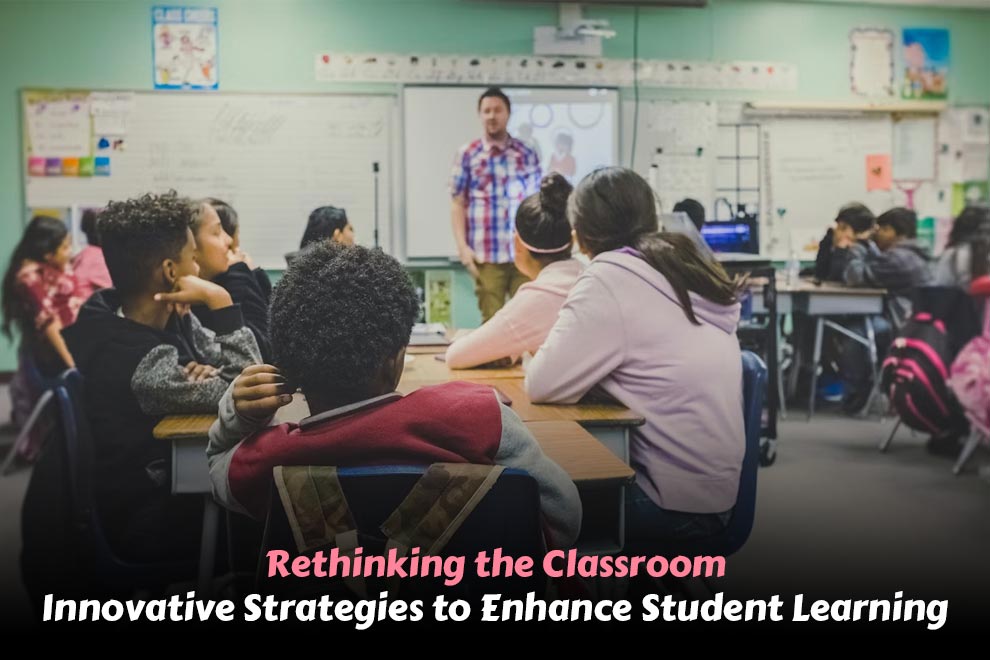
Education is evolving as classrooms respond to changing learner needs, new tools, and broader expectations for meaningful learning. Traditional approaches that rely heavily on lectures and memorization are giving way to methods that focus on curiosity, participation, and real understanding. Rethinking the classroom does not mean abandoning structure or goals.
It means reshaping how learning happens so students feel supported, motivated, and prepared to apply knowledge beyond the classroom. Innovative strategies help create environments where students actively engage with ideas, collaborate with others, and develop confidence in their abilities.
The Expanding Role of Higher Education in Modern Learning
Higher education plays a key role in shaping how classrooms adapt to modern learning needs. Programs that emphasize flexibility and accessibility allow educators to grow professionally while continuing their responsibilities. For many learners, pursuing a Master of Science in Education online offers benefits such as flexible schedules, self-paced study, and the ability to balance education with work and family life. The program also emphasizes the importance of meaningful assessment, helping teachers measure learning in ways that support growth rather than pressure.
Institutions like Youngstown State University focus on providing the tools needed to reach higher goals and achieve more, while making education easier to access. With an online format and multiple start dates, learners can begin their studies sooner and move through their programs more efficiently, reinforcing the idea that learning should adapt to the learner rather than the other way around.
Creating Student Centered Learning Environments
One of the most effective ways to enhance learning is to shift the focus from teaching to learning. Student-centered classrooms encourage learners to take an active role in their education. Instead of passively receiving information, students ask questions, explore ideas, and reflect on their progress.
Teachers act as guides who support discussion and discovery. This approach builds confidence and helps students develop responsibility for their own learning. When students feel heard and valued, they are more likely to stay engaged and curious throughout the learning process.
Using Technology With Purpose
Technology can enrich learning when used thoughtfully. Digital tools support creativity, communication, and collaboration rather than replacing meaningful instruction. Interactive platforms allow students to share ideas, work together, and receive feedback in real time.
Multimedia resources can explain complex concepts in simple ways, making lessons more accessible. The key is to choose tools that support learning goals rather than distract from them. Purposeful use of technology helps students build digital skills while staying focused on understanding and application.
Encouraging Collaboration and Communication
Learning is often stronger when it is shared. Collaborative activities encourage students to listen to different perspectives, explain their thinking, and work together toward common goals. Group discussions, shared projects, and peer feedback help learners develop communication skills and empathy.
These experiences prepare students for real-world situations where teamwork and clear communication are essential. A classroom that values collaboration also creates a sense of community, making students feel supported and connected.
Connecting Learning to Real Life Experiences
Students are more engaged when they see how learning connects to real situations. Lessons that relate to everyday experiences help learners understand why concepts matter. Problem-solving activities, case studies, and reflective exercises allow students to apply knowledge in meaningful ways.
This approach deepens understanding and encourages critical thinking. When students recognize the relevance of what they are learning, motivation increases, and learning becomes more lasting.
Adapting Instruction to Diverse Learning Needs
Every classroom includes learners with different strengths, interests, and learning styles. Innovative teaching strategies recognize this diversity and offer multiple ways to engage with content. Providing choices in how students demonstrate understanding allows them to build on their strengths.
Clear instructions, supportive feedback, and varied activities help ensure that all students have opportunities to succeed. Adapting instruction does not lower expectations. It creates fair pathways for learners to reach shared goals.
Fostering a Growth Mindset in the Classroom
A growth mindset encourages students to view challenges as opportunities to learn rather than obstacles. Teachers who model curiosity and resilience help students feel comfortable taking risks. Positive feedback that focuses on effort and progress supports this mindset. When mistakes are treated as part of learning, students become more willing to try new approaches and persist through difficulty. This attitude builds confidence and supports long-term learning habits.
The Importance of Reflective Teaching Practices
Innovation in the classroom also depends on teachers who reflect on their practice. Regular reflection allows educators to assess what works well and what can be improved. Gathering student feedback and observing engagement levels provides valuable insights. Reflection encourages continuous improvement and keeps teaching responsive to learner needs. Educators who embrace reflection remain open to new ideas and strategies, strengthening the learning environment over time.
As classrooms continue to evolve, innovative strategies offer meaningful ways to enhance student learning. By focusing on engagement, collaboration, and relevance, educators create spaces where students feel motivated and supported.
Higher education contributes to this progress by preparing teachers to adapt and grow, while flexible learning opportunities make professional development more accessible. When classrooms are reimagined with purpose and care, learning becomes an active and empowering experience that prepares students for lifelong growth.