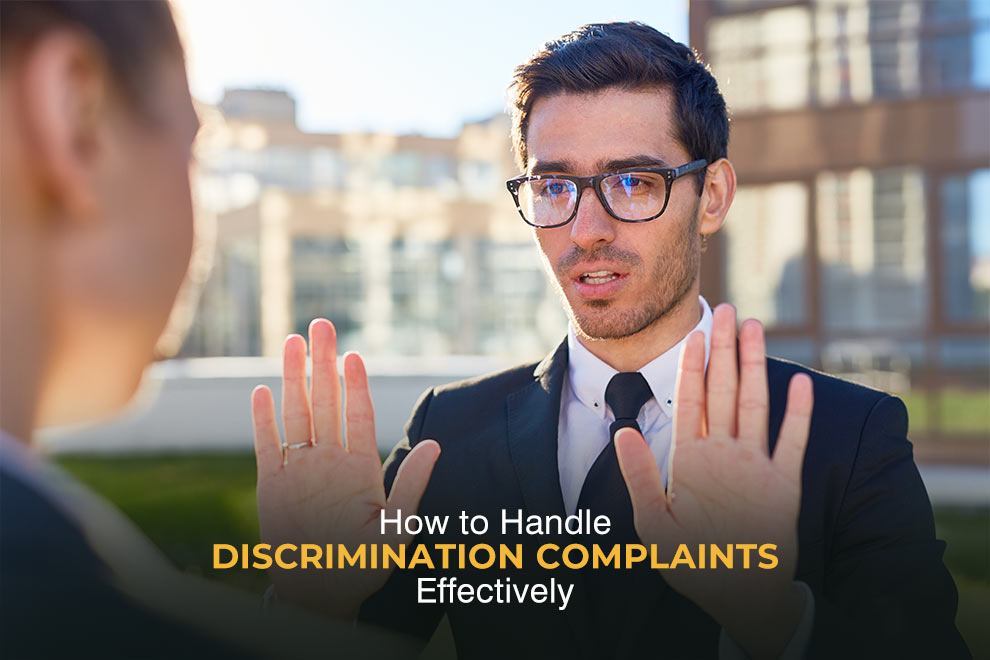
Most managers dread receiving a discrimination complaint. It’s awkward, emotionally loaded, and there’s rarely a clean outcome — someone almost always walks away unhappy. But how you handle that moment matters enormously. Get it right and you’ve reinforced trust across the whole organisation. Get it wrong and you could be facing a tribunal claim, a damaged reputation, and a workforce that quietly loses faith in management.
This article walks through what “getting it right” actually looks like in practice, from the first difficult conversation through to prevention.
Know the Law — At Least the Basics
The Equality Act 2010 sits behind every discrimination complaint in Britain. It protects people from unfair treatment on the grounds of age, disability, gender reassignment, marriage and civil partnership, pregnancy and maternity, race, religion or belief, sex, and sexual orientation — the nine “protected characteristics”.
You don’t need to be a solicitor, but anyone handling complaints should understand the difference between direct discrimination (someone treated worse because of who they are), indirect discrimination (a policy that disadvantages a particular group), harassment and victimisation. Mix these up and the investigation will go sideways quickly.
Have a Procedure Before You Need One
The worst time to design a complaints process is in the middle of a crisis. Every organisation should have a written procedure in place, kept somewhere employees can actually find it, written in language people actually understand.
A good procedure answers the obvious questions up front: who do I tell, what happens next, how long will it take, will this stay confidential, and what support can I expect? It should also offer both informal routes (a quiet word, mediation) and formal ones, because plenty of issues can be resolved without a full investigation — and some absolutely can’t.
Take It Seriously, Even If It Seems Small
One of the biggest mistakes managers make is waving a complaint away as a misunderstanding or “just banter”. What looks minor from the outside often isn’t. A joke repeated over months, a nickname no one asked for, being left off emails or meeting invites — these things build up, and by the time someone works up the courage to complain, they’ve usually been putting up with it for a long while.
When someone brings you a concern, find somewhere private. Let them bring a colleague or union rep if they want one. Listen more than you speak, take notes, and check them afterwards. And please don’t make promises about the outcome in the heat of the moment — you don’t yet know what the outcome should be.
Above all, make it clear they won’t be punished for speaking up. Fear of reprisal is why most discrimination goes unreported in the first place.
Investigate Fairly and Without Dragging Your Feet
Delays are corrosive. They signal to everyone watching that the organisation isn’t taking the issue seriously, and they give the situation time to fester. Appoint someone independent to investigate — ideally trained in investigations, and with no stake in the outcome.
The investigator needs to gather the evidence (emails, messages, documents), interview everyone separately, and keep proper records. Sometimes interim measures are needed — moving people onto different teams, for instance — to keep things calm while the investigation runs. Conclusions are reached on the balance of probabilities, not beyond reasonable doubt.
Remember that the person accused also has rights. Presumption of innocence matters, both because it’s fair and because rushing to judgement can land the organisation in legal trouble of its own.
Keep It Confidential
Discrimination cases are sensitive, and gossip destroys both the process and the people in it. Share information only with those who genuinely need it. Make clear that breaching confidentiality is itself a disciplinary matter — and mean it.
Write Everything Down
If a case ever reaches a tribunal, your paperwork is your defence. Keep the original complaint, notes from every interview, copies of evidence, the decision and the reasoning behind it, and any actions taken afterwards. Store it all securely in line with UK GDPR. Memory fades; notes don’t.
Act on What You Find
Once the investigation wraps up, act. If discrimination has occurred, the response might be a warning, training, a transfer, or dismissal depending on severity. If the complaint isn’t upheld, say so clearly and explain why — vague outcomes leave everyone suspicious.
And look beyond the specific case. Is this the third complaint about the same manager? The second about the same team? Often a single complaint is a glimpse of a much bigger pattern, and ignoring that pattern more or less guarantees you’ll see another one soon.
Look After the People Involved
Everyone affected — the complainant, the accused, any witnesses — carries this around for a while. Make sure they know about whatever support the organisation offers: an Employee Assistance Programme, counselling, occupational health. Check in a few weeks later. Watch for signs of retaliation, which can be subtle: being left off invites, suddenly missing out on projects, a shift in tone from colleagues.
Prevention Is Cheaper Than Investigation
The single best way to handle discrimination complaints is to have fewer of them. Regular, well-delivered EDI training helps employees at every level spot discriminatory behaviour, push back on it constructively, and build a workplace where it’s less likely to take hold in the first place. Training shouldn’t be an annual box-ticking exercise — it works when it’s refreshed, updated as the law evolves, and genuinely engaged with by leadership.
Managers especially benefit from training on how to actually receive a complaint without making it worse, how to run a lawful investigation, and how to model the inclusive behaviour they’re asking of others. Staff notice very quickly whether managers walk the talk.
Learn From Every Complaint
Once a case is closed, review how it went. What ran smoothly? What was painful? Anonymised data over time tells a story — about which departments are generating complaints, which policies keep tripping people up, where training hasn’t landed. Treat every complaint as feedback on the system, not just an incident to be filed away.
Final Thought
Handling discrimination complaints well isn’t only about staying on the right side of the law. It’s about whether your organisation is somewhere people can bring a problem and trust it’ll be dealt with properly. Earn that reputation, and you’ve got something more valuable than any policy document: a workplace people actually want to be in.
Also Read: The Leadership Skills Future Executives Need to Navigate Legal Challenges