The Education Magazine
November 2, 2026
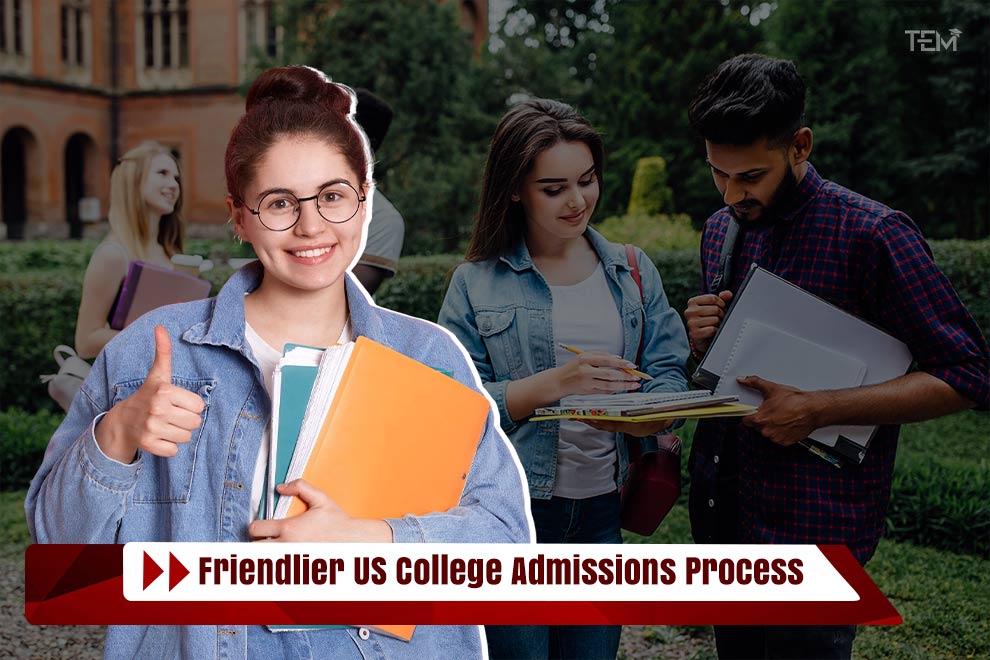
College admissions have traditionally required students to navigate application forms, entrance requirements, campus visits, and financial aid decisions. However, the experience is changing as US colleges compete more actively to attract prospective students. Institutions are making admissions offices more welcoming, involving professors in recruitment, and finding ways to simplify applications. This shift toward a friendlier US college admissions process comes as colleges face declining numbers of traditional-age students and increasing pressure to meet enrollment targets.
Colleges are rethinking how they interact with prospective students as competition for enrollment grows. Instead of focusing only on applications and admission decisions, institutions are making greater efforts to help students experience campus life, meet faculty members, and understand their academic options before enrolling.
Why Are US Colleges Making the Admissions Process Friendlier?
The projected decline in the number of US high school graduates is putting pressure on colleges to attract enough students to meet their enrollment targets. The Western Interstate Commission for Higher Education (WICHE) estimates that the number of high school graduates will fall by 13% between its 2025 peak and 2041.
According to Niche’s State of Higher Education 2026 survey, two-thirds of college admissions leaders had struggled to meet their enrollment targets in at least one of the previous two years. The survey also found that 97% expected competition for students to increase further.
To attract prospective students and improve their chances of securing enrollment, US colleges’ recruitment strategies are changing as they are giving students more opportunities to meet faculty, explore academic programs, visit classrooms, and experience campus life before deciding where to enroll.
How US College’s Faculty Members Are Becoming Part of a Friendlier US College Admissions Process
By involving professors in recruitment rather than relying only on admissions staff, colleges are creating a friendlier US college admissions process where prospective students can meet faculty, explore academic programs, and preview real classroom experiences.
Traditionally, admissions offices managed most interactions with prospective applicants, while professors concentrated on teaching and research. Now, some colleges are encouraging faculty members to meet visiting students, explain academic programs, and introduce them to classroom experiences.
Skidmore College in New York provides an example of this approach. According to The Hechinger Report, more than three-quarters of admitted students who visited outside the college’s weekend open houses requested a classroom visit or a meeting with a faculty member last year. These interactions accounted for approximately 300 face-to-face visits.
By arranging classroom visits and faculty meetings, colleges allow prospective students to speak directly with professors, learn about courses, and explore academic opportunities before choosing where to enroll.
Other institutions are following similar practices. Ohio Northern University arranges for at least one faculty member to meet every visiting applicant, while Washington College in Maryland provides opportunities for prospective students to connect with professors during admissions events.
How Direct Admissions Is Simplifying College Applications?
US Colleges are also working to reduce the barriers students face when applying. Application fee waivers and additional financial assistance are among the measures institutions use to encourage applications.
Direct admissions in US colleges are another approach gaining attention. Under this model, eligible students can receive admission offers from participating colleges without first submitting individual applications to those institutions.
Common App has also expanded its direct-admission initiative. For the 2026–27 application cycle, 234 institutions are participating. The program allows eligible students to receive admission offers based on their qualifications, potentially reducing the time and effort involved in traditional applications.
College direct-admission programs can help students discover institutions they might not have considered, while allowing eligible applicants to receive admission offers without going through the usual application process first.
Why Colleges Are Focusing on Students After Admission?
After admitting students, colleges must convince them to choose their institution over other offers. This is measured through the US colleges’ yield rate, which is the percentage of admitted students who ultimately enroll.
According to The Hechinger Report, Common App users apply to an average of more than seven colleges, increasing competition among institutions for the same students. To improve enrollment, colleges are extending their efforts beyond admission decisions through campus visits, faculty meetings, and personal interactions with students and families.
At Skidmore College, even dining hall workers and groundskeepers are encouraged to welcome prospective students and their families, showing how the entire campus community contributes to the admissions experience.
How a Friendlier US College Admissions Process Helps Students
By fostering a friendlier US college admissions process, institutions allow prospective students to connect directly with faculty, attend classes, and experience campus culture firsthand before making their final decision.
These interactions help students understand what a college offers beyond its website or admission brochure. They also give colleges more opportunities to introduce their academic programs, campus communities, and student experiences to prospective applicants.