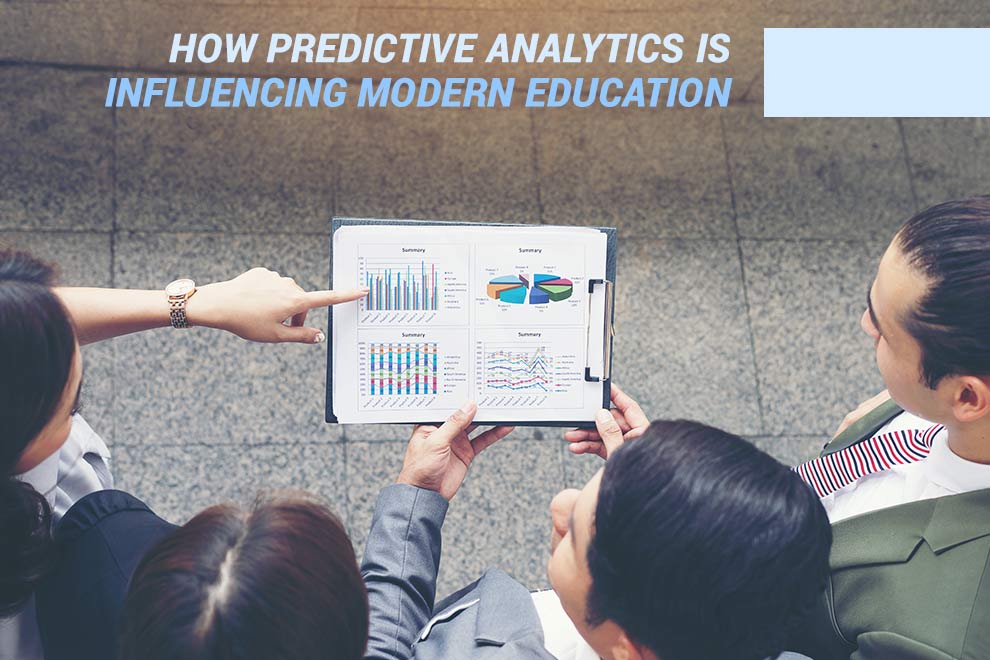
Technology is changing how schools work – helping them see patterns and guess what might happen next. Predictive analytics is a tool that looks at old and new information to figure out how students might behave or perform later. Schools and websites for learning now use this to help them make better choices about how to teach and what to study.
Watching Student Progress
Teachers use data to see if a student is likely to do well. They look at things like how often a student comes to class, if they finish their homework and their old grades – this helps schools find students who are having a hard time before their grades drop too much. The school can offer a tutor or other help right away.
Education is moving from fixing problems after they happen to stopping them before they start. Schools can see warning signs instead of waiting for a final test to show a struggle. When students get help early, they are more likely to stay interested and finish their classes.
Learning That Fits the Student
Everyone learns at a different speed and has things they are good at. Data helps make learning personal – watching how a student uses their books and lessons. Some websites can then suggest what to study next or make the work easier or harder depending on what the student needs.
Personalized lessons help students feel less frustrated or bored. Instead of everyone doing the exact same thing, students get help based on what they actually know – this is very helpful for online classes where students work on their own.
Helping Schools Run Smoothly
Data helps with more than just teaching – Universities use it to guess how many students will sign up and how much money they need to spend. Knowing what to expect helps them hire enough staff and buy the right technology.
Planning with data makes things less confusing for the people running the school – these organizations have to save money while also keeping students happy. Predictive tools help them do both – showing them how expectations are changing.
New Technology
Predictive analytics is growing because computers are getting faster. Schools can now look at a lot of information very quickly – this makes their guesses about the future more accurate.
Discussions surrounding data analytics and artificial intelligence have also expanded in education because these technologies often work together to automate insights and recommendations. AI finds complicated ways that students act. Predictive tools turn those findings into things teachers can actually do in class.
Making Better Classes
Schools are looking at data to see if their classes are actually good. They check test scores and how many people finish a course to see which topics are too hard – this helps teachers change their lessons to be more helpful.
Online schools use these guesses to keep their classes updated for jobs. As an example, a place that teaches courses in cyber security online might look at what skills companies want and what students are learning to decide what to teach next.
Using Data Fairly
Even though data is helpful, keeping information private and being fair is important. Schools collect a lot of personal details – they must keep that data safe. They should be open about how they make their guesses so families can trust them.
There is also a chance that a computer could be wrong – If a system says a student will fail when they won’t, it might hurt that student’s chances. People still need to make the final decisions to make sure the technology helps students instead of holding them back.
What Happens Next
Predictive tools will likely be a normal part of every classroom as more individuals learn online. Future systems might give even better advice and help students before they even know they are stuck. Schools that use these tools well will be ready for the future.
Using data shows that education is moving toward making choices based on facts. Technology is not a replacement for teachers but it is a way to make learning more helpful and personal for everyone.
Data is changing education – helping schools make smart choices and supporting students early. As technology gets better, using the insights can lead to better grades and schools that react faster to what students need.
Also Read: AI Academic Integrity: Challenges, Risks & Ethical AI Use in Education (2026)