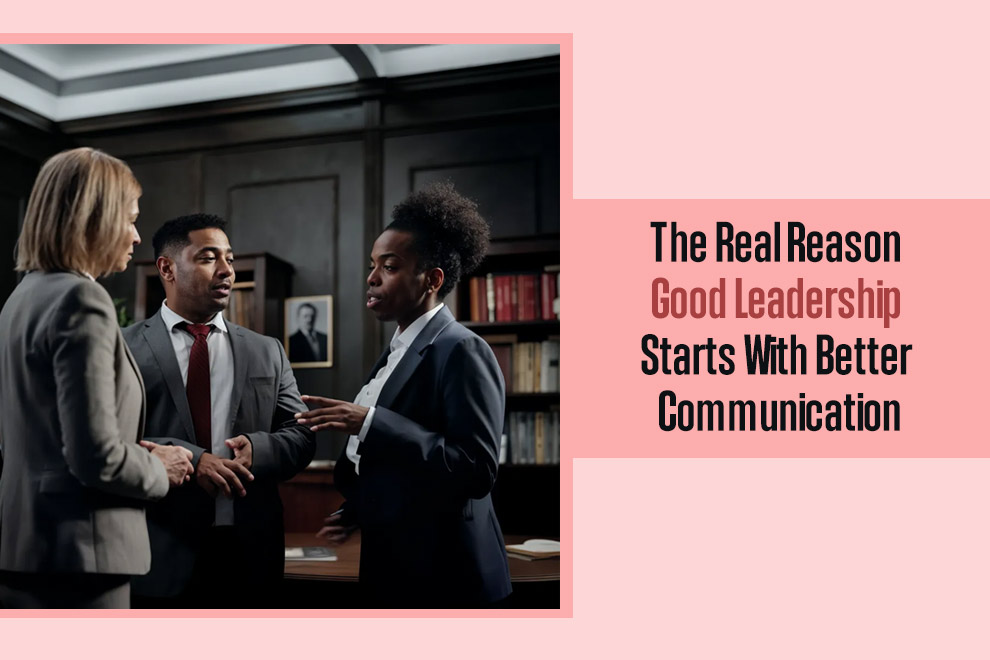
Workplaces have changed a lot. Maybe more than people notice at first. Teams are busy, stress shows up fast and people expect more from leaders now. Not just instructions. Real support too. That is why leadership motivation training matters today. A leader who knows how to encourage people can change the whole feeling of a workplace. A strange thing is, motivation does not always come from big speeches. Sometimes it comes from small words, calm energy or someone simply believing in the team.
People Work Better When They Feel Seen
Most people want something simple at work. Respect. Maybe support on rough days, too. Nobody likes feeling invisible, especially when trying hard. A good leader notices effort, even quiet effort that others miss. Funnily enough, after a tumultuous day, a phrase can stay in someone’s head for weeks. People often don’t forget how leaders made them feel, not just what they said in meetings. That episode brings up a lot of forgotten, albeit simple, things.
Strong Teams Need Better Conversations
Good teamwork sounds easy until real people are involved. Someone misunderstood an email. A meeting feels tense for no clear reason. Then silence starts creeping in. Work becomes awkward. This is where interpersonal communication skills training is useful. Leaders and groups learn to speak more honestly and listen to each other more. Small adjustments in communication can prevent small problems from escalating. Sometimes people only want to feel understood. That alone fixes more than expected.
Motivation Is Not Always Loud
People often imagine motivation as loud speeches and big energy. Truth is, real motivation looks quieter most days. A leader checking in after a stressful project. Someone saying, “You handled that well,” when confidence feels low. Those little moments matter. Work gets hard sometimes. People feel tired. A bit stuck, maybe. Support during those moments can quietly bring energy back. Oddly enough, people usually work harder when they feel trusted instead of pushed.
Good Communication Builds Trust Slowly
Trust takes time. No shortcut really exists for it. A leader cannot ask people to trust them and expect magic the next day. It builds through everyday moments. Honest talks. Fair reactions. Listening without rushing people. Employees notice these things, even when nobody says it out loud. If leaders react calmly during stressful moments, teams often feel safer. These observe employees when no one speaks loudly. Teams often feel safer if leaders respond easily on a level in hazardous situations. Safer teams additionally definitely communicate. Honest conversations usually solve problems before they become bigger complications.
Stress Makes Simple Things Hard
Some days at work feel heavier than others. Deadlines pile up. Plans change suddenly. A small misunderstanding turns into something annoying by lunch. During stressful weeks, communication gets messy fast. Even good people snap sometimes. Leaders feel pressure, too. That is normal. But strong leaders try to pause before reacting. Not easy, obviously. Still, staying calm often helps everyone else stay calm too. Funny how emotions move through a workplace like the weather.
Learning Leadership Takes Time
Nobody becomes a great leader overnight. That would be nice, though. Real growth feels uneven. One week feels easy. The next week feels frustrating again. Some leaders naturally connect with people, but most learn through mistakes. They say the wrong thing sometimes. Miss signals. Wish they handled situations better. Happens to everyone. What matters is trying again. Small changes usually lead somewhere good. Slowly, almost quietly, confidence starts growing.
Teams Feel Better With Supportive Leaders
People work differently when they feel safe and respected. They speak up more. Share ideas more easily. Even hard tasks feel lighter somehow. Supportive leaders help create that feeling without trying too hard. It is often simple things. Asking questions. Listening fully. Staying patient when mistakes happen. No workplace becomes perfect, of course. Still, strong leadership can make hard days easier to handle. That alone changes a lot.
Conclusion
Leadership today asks for more than giving orders or meeting deadlines. People want leaders who listen, encourage growth and communicate clearly when work feels stressful. Small actions matter more than many realise. Better conversations, patience and support can slowly improve a workplace. Those wanting to explore fresh ideas about leadership growth and communication can visit rightfitcommunicationsllc.com for useful guidance. Sometimes leadership grows through small moments that seem ordinary at first, but stay meaningful later.
Also Read: How Non-Traditional Training Programs Build Leadership and Communication Skills