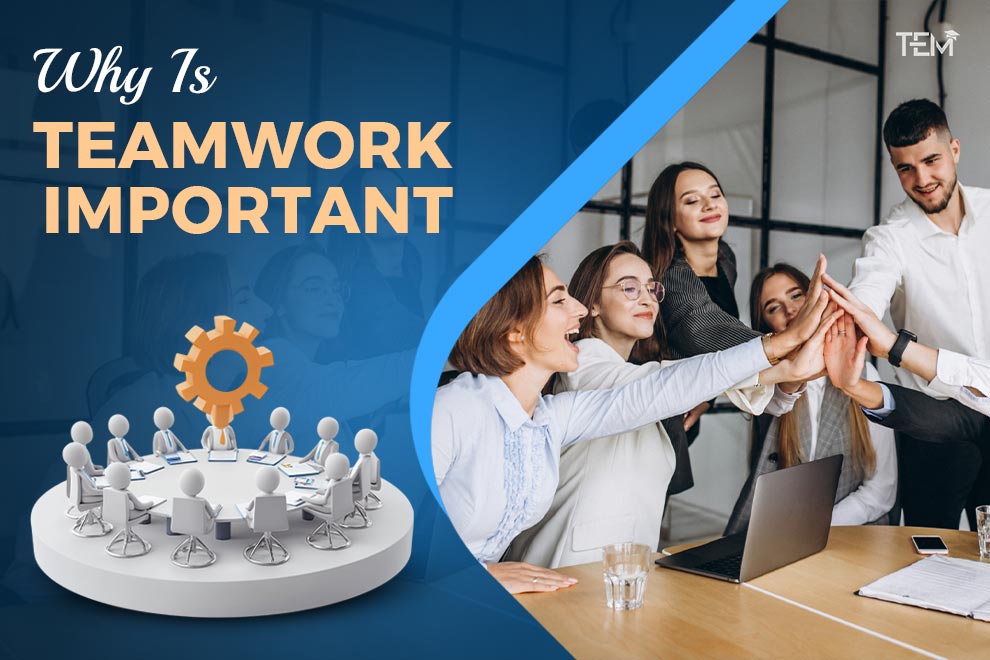
From classrooms to boardrooms, why is teamwork important? is a question educators and managers often ask. Teamwork shapes how we learn, innovate, and achieve goals together. Have you ever wondered why some teams succeed effortlessly while others struggle? The answer often lies in how well members collaborate, communicate, and support each other.
Research shows that teamwork isn’t just a nice-to-have skill; it’s a critical factor for success in both education and the workplace. For instance, a study by Atlassian found that teams with strong collaboration are 20% more productive, while university research shows that students working in groups retain information up to 50% more effectively than when studying alone.
In this article, we’ll answer why teamwork is important, explore its research-backed benefits, show real-life examples from schools and workplaces, and provide strategies to overcome common teamwork challenges. By the end, you’ll understand how teamwork can boost learning, performance, and personal growth.
What Is Teamwork and Why Does It Matter
Teamwork is when a group of people works together toward a common goal, sharing ideas, skills, and responsibilities. Understanding why teamwork is important is essential because it affects learning, productivity, and success in both school and work.
Experts agree that collaboration helps individuals perform better than when working alone, and it develops skills like communication, problem-solving, and leadership. According to research from Atlassian, effective teams are 20% more productive than poorly coordinated ones. In education, studies show that students working in groups retain information up to 50% more effectively than those studying solo.
1. Boosts Learning and Retention (Education Focus)
- Working in teams allows students to explain concepts to each other, reinforcing understanding through collaborative learning.
- Group projects promote active learning, which improves long-term memory retention.
- Statistical insight: A peer-learning study published in Frontiers in Education found that students in collaborative groups scored 30% higher on comprehension tests than individual learners.
2. Enhances Communication Skills
- Teamwork encourages people to listen, share ideas, and resolve conflicts.
- In workplaces, effective communication within teams reduces errors and increases efficiency.
- According to a Google re:Work study, teams with open communication channels reported 25% higher project success rates.
3. Encourages Creativity and Problem Solving
- Teams bring different perspectives, which sparks innovation and creative solutions.
- In classrooms, brainstorming in groups leads to more ideas than individual work.
- Workplace research from Nulab shows that cross-functional teams generate 30% more innovative ideas compared to solo contributors.
4. Builds Leadership and Social Skills
- Teamwork provides opportunities for members to take initiative and lead tasks, helping develop leadership skills.
- Collaboration also strengthens social skills, such as empathy, patience, and active listening, which are considered essential life skills for students.
- Evidence: According to Atlassian, employees who actively participate in teams report 30% higher confidence in leadership abilities compared to those who rarely collaborate.
- In schools, teachers report that students in collaborative projects show improved peer interaction and conflict resolution skills.
5. Increases Productivity and Efficiency (Workplace Focus)
- Teams allow tasks to be divided according to individual strengths, making projects more efficient.
- Shared responsibility ensures that deadlines are met and quality is maintained.
- Statistic: A study by Google re: Work found that teams with strong collaboration completed projects 20% faster than teams with poor coordination.
- Group problem-solving also reduces repetitive work and mistakes, saving time and resources.
6. Reduces Stress and Improves Well-Being
- Working together means sharing the workload, which can reduce stress and prevent burnout.
- Team members provide emotional support, encouragement, and motivation.
- Research insight: According to Atlassian, employees in supportive teams report 15–20% higher job satisfaction and feel less stressed than those working alone.
- In education, students collaborating on projects report lower anxiety levels and more confidence in completing assignments.
How Teamwork Works: Key Principles
Understanding why teamwork is important is one thing, but knowing how it works helps teams function efficiently. Here are the key principles backed by research:
- Psychological Safety: Team members must feel safe to share ideas without fear of judgment. Google’s Project Aristotle found that psychological safety is the number one predictor of high-performing teams.
- Clear Roles and Responsibilities: Everyone should understand their tasks and contributions to avoid confusion and duplication. Studies show that clear role definition increases team efficiency by up to 25%.
- Trust and Accountability: Trust ensures that team members rely on each other, while accountability keeps the team focused and committed. Teams with high trust levels report up to 33% better performance outcomes (Nulab study).
- Open Communication: Effective teams maintain open channels to share progress, ask questions, and provide feedback. Teams with strong communication are 25% more likely to meet deadlines and project goals.
- Collaborative Problem Solving: Teams combine diverse perspectives to tackle challenges creatively, often achieving solutions no individual could generate alone.
Teamwork in Action: Real-Life Examples
Seeing teamwork in action helps understand why teamwork is important and how it makes a real difference in schools and workplaces.
(Mini-Infographic)
| Aspect | Education | Workplace |
| Goal | Learning & Retention | Productivity & Innovation |
| Benefits | Peer Learning, Social Skills | Efficiency, Creativity |
| Example | Group Projects | Cross-functional Teams |
1. Classroom Collaboration (Education Focus)
- Group projects, peer tutoring, and team-based tasks like interactive assignments encourage active participation and knowledge sharing.
- Statistic: Research from Frontiers in Education shows students in collaborative learning groups retain 50% more information and perform 30% better on problem-solving tasks.
- Collaboration helps students develop social skills, leadership, and communication abilities, which are essential for lifelong learning.
2. Workplace Collaboration (Professional Focus)
- Cross-functional teams tackle complex projects, combining expertise from different departments, which helps in preparing students for future careers.
- Example: Atlassian reports that companies with strong teamwork practices see 20% higher productivity and faster project completion.
- Teams also foster innovation; a study by Nulab shows that collaborative teams generate 30% more creative solutions than individuals working alone.
3. Youth Soft Skills Programs
- Programs that encourage teamwork, like youth leadership or volunteer groups, help students develop soft skills, including emotional intelligence, problem-solving, and accountability.
- According to the U.S. Department of Labor, teens who participate in team-based programs are more likely to succeed academically and professionally.
Challenges in Teamwork and How to Overcome Them
While teamwork is highly beneficial, it comes with challenges. Understanding these can help teams work more effectively.
1. Conflicts and Miscommunication
- Teams may face disagreements or unclear communication.
- Solution: Establish open communication channels, active listening, and conflict resolution practices.
2. Unequal Participation
- Some members may contribute less, leading to frustration.
- Solution: Define clear roles and responsibilities and ensure accountability.
3. Lack of Trust
- Without trust, team members hesitate to share ideas.
- Solution: Build psychological safety and encourage transparency and respect.
4. Overlapping Work or Confusion
- Duplicate tasks waste time and reduce efficiency.
- Solution: Use project management tools and assign clear tasks to each team member.
5. Cultural or Personality Differences
- Diverse teams may face misunderstandings.
- Solution: Promote inclusivity, respect, and empathy to leverage diversity as a strength.
Key Takeaway: Even the best teams face challenges, but by following research-backed strategies, teams can stay productive, innovative, and supportive.
My Perspective on Why Teamwork Shapes Success
Teamwork is more than just working together; it’s a powerful tool for learning, problem-solving, and achieving goals. From classrooms to workplaces, collaborating effectively leads to higher productivity, more creativity, and stronger personal growth.
Understanding why teamwork is important and applying research-backed principles like open communication, trust, and clearly defined roles can help anyone unlock the full potential of their team.
Share this article with your classmates, colleagues, or team, and start harnessing the power of teamwork today. When we collaborate thoughtfully, we can achieve more, learn faster, and grow stronger together.
FAQs
1. Why is teamwork important in schools?
Teamwork helps students learn from peers, develop social skills, and improve retention. Studies show collaborative learning can increase comprehension scores by up to 30%.
2. Why is teamwork essential at work?
Teams combine diverse skills and knowledge, leading to higher productivity, better problem-solving, and innovative solutions. Atlassian research shows collaborative teams are 20% more productive.
3. How does teamwork improve problem-solving?
Team members share perspectives and expertise, which leads to creative solutions that individuals might not achieve alone. Nulab found that cross-functional teams generate 30% more innovative ideas.
4. What skills does teamwork develop?
Teamwork develops communication, leadership, empathy, conflict resolution, and accountability. These are valuable for both academic success and professional growth.
5. How can teams overcome challenges?
Effective teams set clear roles, communicate openly, build trust, and embrace diversity, ensuring smoother collaboration and higher results.