Walk into any modern classroom, and you will notice two competing forces. On one side, students need movement, interaction, and collaboration to learn truly. On the other hand, devices demand structure, supervision, and digital focus.
This is where the idea of the classroom relay becomes powerful and often misunderstood.
For some educators, a classroom relay is a high-energy learning strategy that turns academic concepts into team-based challenges. For others, it refers to digital classroom management tools once branded under “Relay.” The confusion is real, and so is the opportunity.
In 2026 classrooms, the most effective schools are not choosing between movement and monitoring. They are blending both.
This guide brings clarity. We will explore the research behind movement-integrated instruction, examine inclusive relay models across grade levels, and explain how digital tools support structured, active learning environments.
Let’s begin by defining what a classroom relay truly is.
What Is a Classroom Relay?
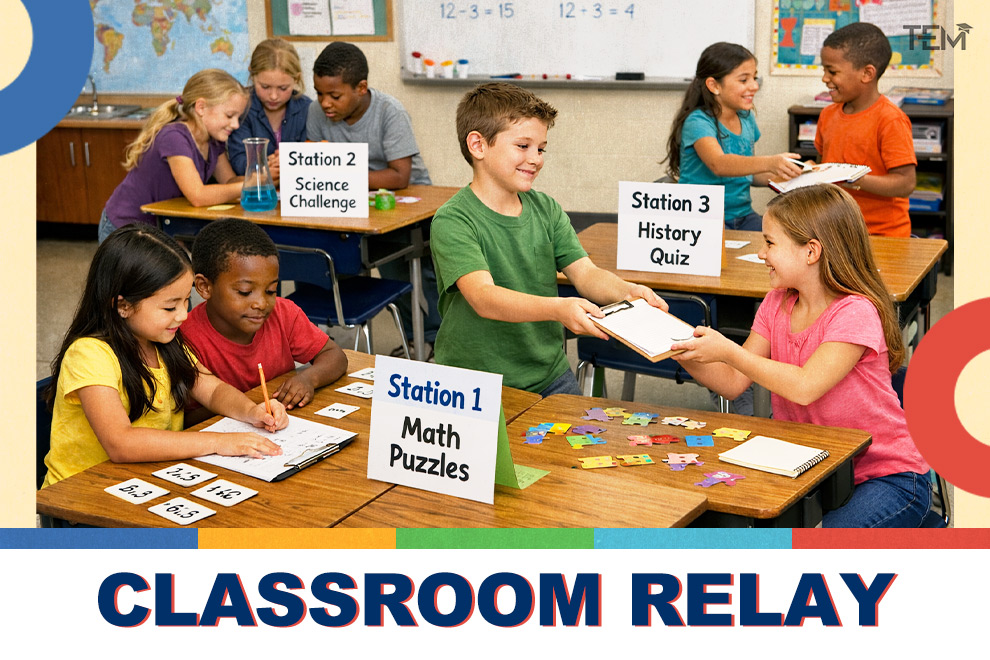
A classroom relay is a structured, team-based instructional strategy where students physically move between designated stations to complete academic tasks, reinforcing content and collaboration before passing responsibility to a peer.
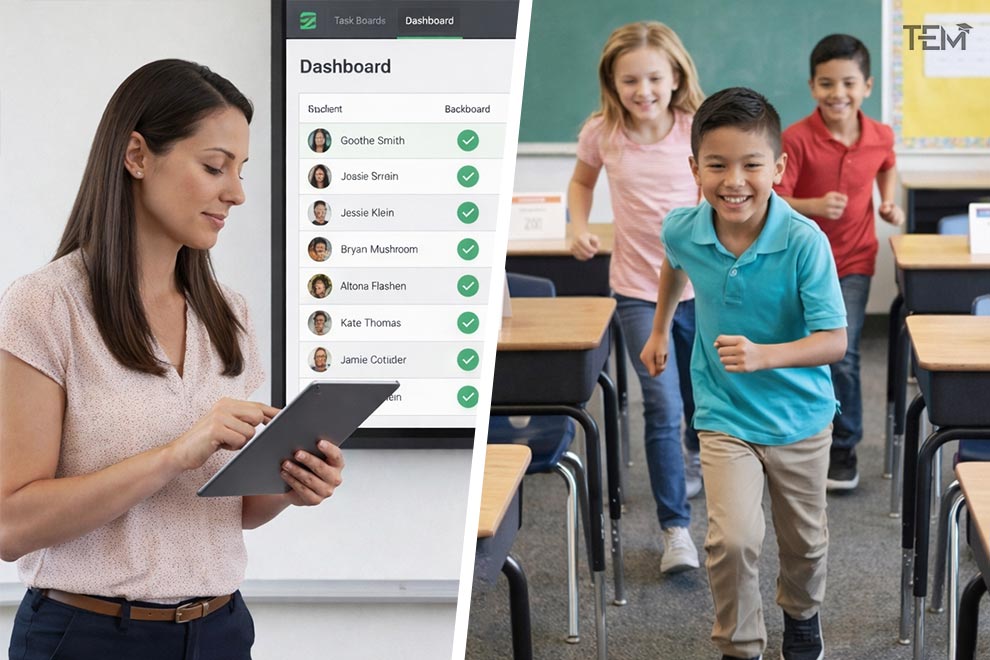
In education, this model is used to:
- Reinforce academic content
- Encourage collaboration
- Increase physical engagement
The format can vary. In elementary classrooms, it may involve vocabulary cards placed at stations. In high school settings, it could mean rotating through complex case-study checkpoints.
The structure remains consistent: movement, accountability, and shared responsibility. Much like other classroom management games, the relay transforms routine tasks into high-engagement opportunities.
However, the term “classroom relay” also appears in digital education contexts.
The edtech company Lightspeed Systems previously used “Relay” in its product branding for classroom device management. Today, the company’s tools focus on filtering, monitoring, and real-time student visibility in 1:1 environments.
Understanding this distinction is important. One refers to pedagogy. The other refers to digital oversight.
This article addresses both because modern classrooms require both.
Why Movement Improves Learning
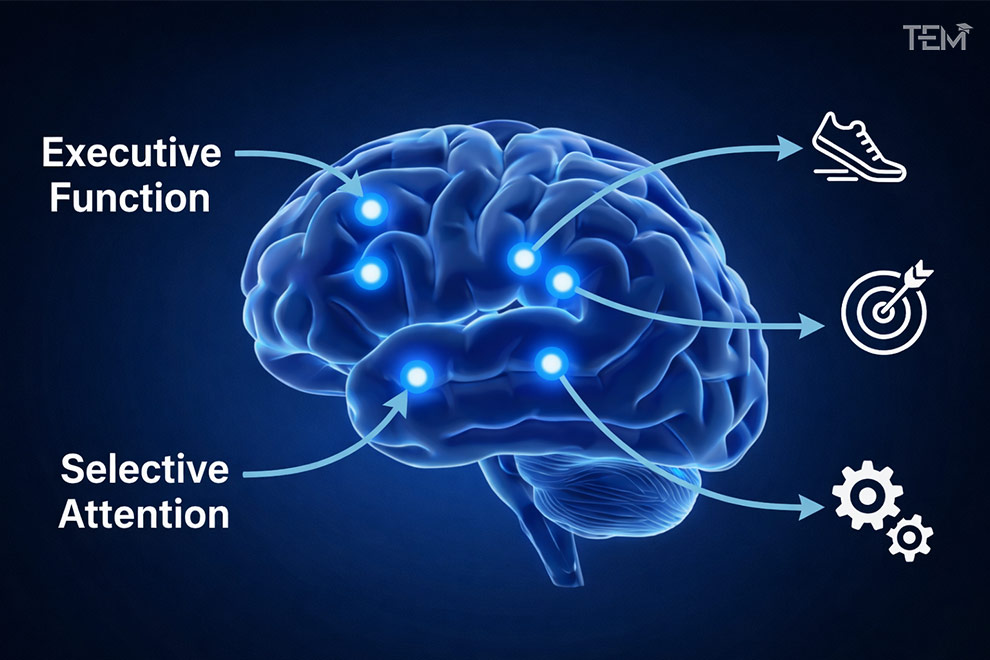
The effectiveness of relay-style learning is not based on enthusiasm alone. It is grounded in research on movement-integrated instruction.
Recent studies published in peer-reviewed journals such as Frontiers in Psychology and indexed in the National Center for Biotechnology Information (PMC) show that structured physical activity during instruction improves:
- Executive function
- Selective attention
- Working memory
- Cognitive flexibility
Executive function is especially critical in K–12 education. It governs planning, focus, and impulse control.
When students move with purpose during learning tasks, the brain increases oxygen flow and neural activation patterns linked to memory retention. Instructional coaches consistently report that swapping passive reading for physical relays actively lowers behavioral disruptions.
Research on neuroplasticity further supports this. Movement stimulates neural pathway development, strengthening the brain’s ability to encode and retrieve information. In practical terms, students are more likely to remember what they learn when the body is engaged alongside the mind.
Movement also reduces cognitive fatigue. Instead of sitting passively, students alternate between physical activation and mental processing. This pattern sustains attention over longer instructional periods.
A classroom relay is not simply a game. It is a structured cognitive strategy aligned with how the brain processes information. This mirrors the broader shift from passively receiving information to actively exploring it that defines modern active learning approaches.
Types of Classroom Relay Activities Across Grade Levels
A classroom relay is not limited to elementary school. When designed intentionally, it scales across age groups and subject areas. The key is aligning movement with cognitive demand.
1. Elementary School Relays
At the elementary level, relays focus on foundational skill reinforcement and gross motor engagement.
Common formats include:
- Vocabulary Relays: Students run to retrieve word cards and match them with definitions.
- Math Fact Stations: Teams rotate through quick problem-solving checkpoints.
- Spelling Board Runs: One student writes a letter at a time before tagging the next teammate.
- Sensory Path Relays: Integrated movement paths that support focus before answering academic prompts.
For younger learners, structured movement supports attention regulation. Studies on movement-integrated instruction show improvements in selective attention and on-task behavior when physical activity is embedded into academic routines.
The emphasis at this level is rhythm: move, think, return, repeat.
Suggested Time: 15–20 minutes | Group Size: 3–5 students | Materials: Task cards, timer, answer sheets
2. Middle School Relays
In middle school, the relay format shifts from recall to reasoning.
Examples include:
- Science Concept Circuits: Students rotate between experiment summaries and analysis questions.
- History Timeline Relays: Teams assemble chronological sequences at stations.
- Problem-Solving Relays: Multi-step math problems completed collaboratively.
- Brain Break Relays: Short movement tasks followed by reflection prompts.
Adolescents benefit from collaborative movement because it activates executive function while maintaining social engagement. Research in cognitive development highlights that structured peer interaction strengthens working memory and cognitive flexibility.
At this stage, relays should include strategic thinking, not just speed.
Suggested Time: 20–25 minutes | Group Size: 4–6 students | Materials: Station folders, reflection cards, optional QR codes
3. High School and Higher Education Relays

This is where most competitors fail to provide guidance.
Relay learning at advanced levels focuses on complex reasoning, debate, and synthesis.
Effective models include:
- Case Study Rotations: Teams analyze different components of a real-world scenario before presenting integrated findings.
- STEM Challenge Relays: Each station adds a layer of complexity to an engineering or data-analysis task.
- Literary Analysis Rotations: Students build interpretive arguments across checkpoints.
- AP Review Circuits: Timed concept reinforcement aligned with exam standards.
Older students do not need simplified games. They need structured collaboration with intellectual depth. Movement remains purposeful but secondary to analytical rigor.
When designed well, high school relays reduce passive note-taking and increase accountability within peer groups.
Suggested Time: 25–35 minutes | Group Size: 4–6 students | Materials: Case study packets, analytical rubrics, digital submission tools
Designing an Inclusive Classroom Relay
Movement-based learning must be adaptable. Not every student experiences stimulation in the same way.
Research on ADHD and sensory processing emphasizes that students with ADHD or sensory sensitivities benefit from structured movement but only when predictability and choice are built into the environment.
Similarly, reporting from Education Week highlights the importance of flexibility in movement-based instruction.
Practical inclusion strategies include:
- Choice Boards: Allow students to select between movement intensity levels.
- Sensory Walk Options: Provide calm movement pathways instead of competitive sprints.
- Timed Transitions: Clear auditory or visual cues for station shifts.
- Defined Roles: Timekeeper, recorder, presenter, so not every student is required to run.
Inclusion is not about slowing the relay. It is about designing structured access points.
When thoughtfully implemented, relay activities can improve executive function while supporting emotional regulation.
The Rise of the “Phygital” Classroom Relay
The modern classroom operates in a 1:1 device environment. Movement does not replace technology; it coexists with it.
Educational leaders are increasingly describing this blended environment as “phygital,” where physical learning experiences are supported by digital infrastructure.
In practical terms, this may look like:
- QR codes at relay stations linking to problem sets
- Chromebook submissions at each checkpoint
- Real-time digital quizzes embedded into movement cycles
The difference in 2026 is not just movement. It is visibility.
Teachers are now able to combine active learning with structured digital oversight. This ensures that devices enhance instruction rather than distract from it.
Classroom Relay Software Explained
As classroom relays evolve in 1:1 environments, digital management becomes part of the conversation.
Some educators encounter the term “classroom relay” through legacy product branding from Lightspeed Systems, a company known for K–12 filtering and classroom management tools.
While the company’s flagship product today is Lightspeed Filter, earlier branding included “Relay,” which still appears in search behavior.
It is important to clarify the distinction.
A classroom relay activity refers to a movement-based instructional model. Classroom management software refers to tools that provide:
- Real-time student screen visibility
- Website filtering
- AI-supported video monitoring
- Policy-based access control
- Hierarchical management across schools and districts
For example, AI-assisted features such as SmartPlay filtering allow schools to manage YouTube content dynamically, while structured policy systems enable differentiated permissions by grade or role.
In a relay-based classroom, these tools serve a supporting function. They allow teachers to maintain digital focus while students rotate physically between learning stations.
The goal is not surveillance. It is instructional alignment.
Managing Movement Without Losing Digital Focus
Movement energizes learning. Devices can either support that energy or disrupt it.
The challenge in modern classrooms is balance.
When students rotate between relay stations with devices in hand, teachers need clear guardrails. Research on attention shows that divided focus reduces task performance. This means digital boundaries must be defined before movement begins.
Practical strategies include:
- Pre-setting approved sites before the relay starts
- Locking devices into a single-task mode during timed rounds
- Assigning a digital monitor role within each team
- Using timed submission windows for accountability
Real-time visibility tools allow teachers to intervene quickly if students drift off task. But structure should not replace trust. Students must understand why digital expectations exist.
A classroom relay works best when autonomy and accountability coexist.
Measuring Impact: Assessment in Relay Models
Many relay activities fail for one reason: they measure excitement instead of learning.
To align relays with academic outcomes, assessment must be embedded into the structure.
Effective relay-based assessment strategies include:
- Formative Checkpoints: Quick-response prompts at each station
- Cumulative Problem Chains: Each team builds on the previous group’s answer
- Peer Explanation Rounds: Students explain reasoning before moving forward
- Digital Exit Submissions: Short reflective responses submitted at the end
Research on executive function shows that structured retrieval strengthens memory consolidation. When relays include reflective checkpoints, they move beyond activity and become cognitive reinforcement systems.
Data collected during relays can inform:
- Instructional pacing
- Misconception patterns
- Group collaboration dynamics
- Differentiation needs
A well-designed classroom relay is measurable, not chaotic.
Quick-Start Classroom Relay Template
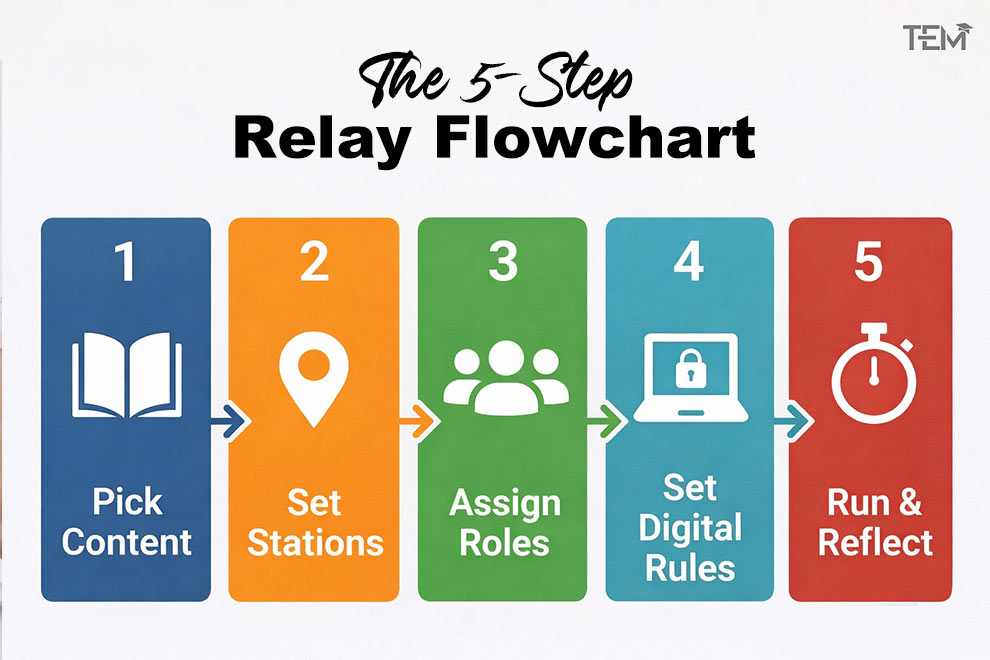
Not sure where to begin? Use this simple framework to build your first relay this week.
1. Pick your content: Choose 4–6 concepts, questions, or problems from your current unit.
2. Set up your stations: Place one task at each station. Label them clearly. Include a timer at each point.
3. Assign roles: Every student gets a role: runner, recorder, timekeeper, or presenter.
4. Set digital expectations: If devices are in use, define which sites or tools are approved before the relay begins.
5. Run and reflect: After the relay, spend 5 minutes on a whole-class debrief or digital exit slip.
That’s it. Your first relay does not need to be perfect. It needs to happen.
The Future of Classroom Relays Starts With You
The classroom relay is no longer just a game. It is a strategic response to a changing educational landscape.
In 2026, students need movement to strengthen attention, collaboration to build reasoning, and digital structure to protect focus. Schools that succeed are not choosing between physical engagement and technological oversight. They are integrating both with intention.
Whether you are a classroom teacher designing your next lesson or a school leader evaluating digital infrastructure, the opportunity is clear. Movement and management are not opposing forces. They are complementary tools in a well-designed learning ecosystem.
If this guide clarified the modern classroom relay for you, share it with a colleague who is rethinking engagement in today’s classrooms. Conversations like this shape better schools.
FAQs
- How long should a classroom relay activity last?
A classroom relay typically works best within 15 to 30 minutes, depending on grade level and task complexity. Short, timed rotations maintain energy and focus. For older students, longer analytical stations may be effective, but clear transition cues are essential to avoid cognitive fatigue.
- Can classroom relays be used for assessment?
Yes. Classroom relays can function as formative assessment tools when each station includes measurable checkpoints. Teachers can evaluate problem-solving steps, reasoning accuracy, collaboration quality, and final responses. Digital submissions at the end of the relay can also provide structured data for review.
- What materials are needed to run a classroom relay?
Materials depend on the subject and format. Most relays require printed task cards, timers, clear station markers, and structured answer sheets. In 1:1 environments, devices may be used for QR codes, digital quizzes, or submission checkpoints. The design should prioritize clarity over complexity.
- How do you keep classroom relays organized and not chaotic?
Clear expectations prevent chaos. Establish team roles, explain rotation procedures, set visible timers, and define noise levels before starting. Visual transition signals and structured station instructions reduce confusion. Preparation is what transforms a relay from a game into a productive learning model.