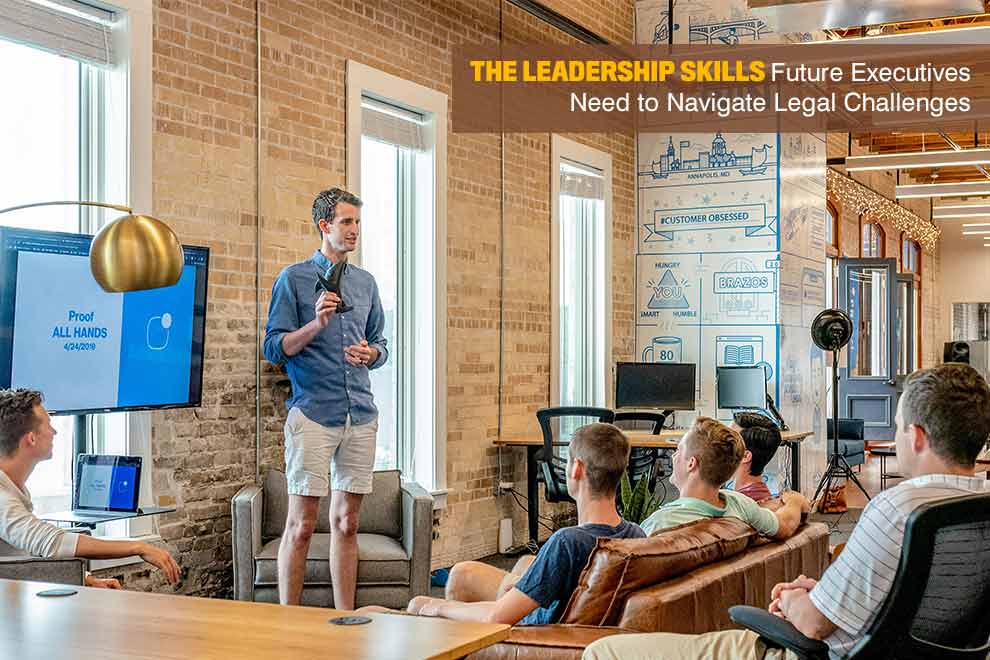
In today’s increasingly regulated business environment, leadership extends far beyond managing teams and driving profitability. Future executives must understand how legal considerations influence strategic decisions, workplace operations, and organizational growth. Leaders seeking guidance on business law, employment matters, and corporate risk management can benefit from resources provided by H&H Law SC Firm, which offers information and legal support relevant to companies navigating complex legal challenges in South Carolina. As organizations face evolving regulations and greater public scrutiny, legal awareness has become an essential leadership competency.
Understanding the Relationship Between Leadership and Legal Risk
Successful executives recognize that legal challenges are not isolated events handled only by attorneys. Many legal issues originate from everyday business decisions involving hiring, contracts, workplace policies, and customer relationships. Leaders who understand this connection are better equipped to identify potential risks before they become costly problems.
A proactive approach to legal awareness allows organizations to reduce uncertainty and strengthen decision-making processes. Rather than reacting to disputes after they arise, effective executives incorporate legal considerations into strategic planning. This mindset helps create a culture where compliance and accountability support long-term success.
Developing Strong Decision-Making Skills
One of the most important leadership skills is the ability to make informed decisions under pressure. Legal challenges often involve incomplete information, competing priorities, and significant financial consequences. Executives must evaluate risks carefully while balancing organizational goals and stakeholder interests.
Strong decision-makers seek input from legal professionals when necessary and avoid making assumptions about regulatory requirements. They understand that even well-intentioned actions can create liability if proper procedures are not followed. By considering legal implications early, leaders can make choices that support both business objectives and compliance obligations.
Strengthening Communication and Transparency
Clear communication plays a critical role in reducing legal exposure. Employees, customers, and business partners are more likely to trust organizations that communicate policies, expectations, and concerns openly. Transparency helps prevent misunderstandings that could otherwise lead to disputes or legal claims.
Future executives must also learn how to communicate effectively during challenging situations. Whether responding to employee complaints, regulatory inquiries, or contractual disagreements, thoughtful communication can help de-escalate conflicts. Leaders who remain professional and transparent often position their organizations more favorably when legal issues arise.
Building Ethical Leadership Practices
Ethical leadership and legal compliance are closely connected. While not every unethical action violates the law, unethical behavior frequently creates conditions that increase legal risk. Executives who prioritize integrity help establish organizational cultures that discourage misconduct and promote responsible decision-making.
Employees often take cues from leadership behavior when determining acceptable workplace conduct. Leaders who demonstrate fairness, honesty, and accountability encourage similar standards throughout the organization. This ethical foundation can reduce the likelihood of workplace disputes, discrimination claims, and other legal challenges.
Adapting to Regulatory Change
The legal landscape continues to evolve as governments introduce new regulations and industries adopt emerging technologies. Future executives must remain informed about developments that could affect their organizations. This requires a commitment to continuous learning and professional development.
Adaptability allows leaders to respond effectively when regulations change or new compliance requirements emerge. Organizations that anticipate legal developments are often better prepared than those that wait until changes become mandatory. Executives who embrace ongoing education can help their companies remain competitive while minimizing legal risk.
Collaborating with Legal Professionals
Strong leaders understand the value of collaboration and know when to seek expert guidance. Legal professionals provide specialized knowledge that helps organizations address complex issues ranging from employment law to business transactions. Executives who develop productive relationships with legal advisors gain access to insights that support sound decision-making.
Collaboration should not be limited to times of crisis. Engaging legal counsel during planning, expansion, and policy development can help prevent problems before they occur. This partnership enables leaders to approach challenges with greater confidence and a clearer understanding of potential consequences.
Conclusion
As businesses operate in increasingly complex legal environments, future executives must develop skills that extend beyond traditional management practices. Decision-making, communication, ethical leadership, adaptability, and collaboration with legal professionals all contribute to an executive’s ability to navigate legal challenges successfully. By strengthening these competencies, leaders can protect their organizations, support sustainable growth, and build workplaces that remain resilient in the face of changing legal and regulatory demands.
Also Read: The Real Reason Good Leadership Starts With Better Communication