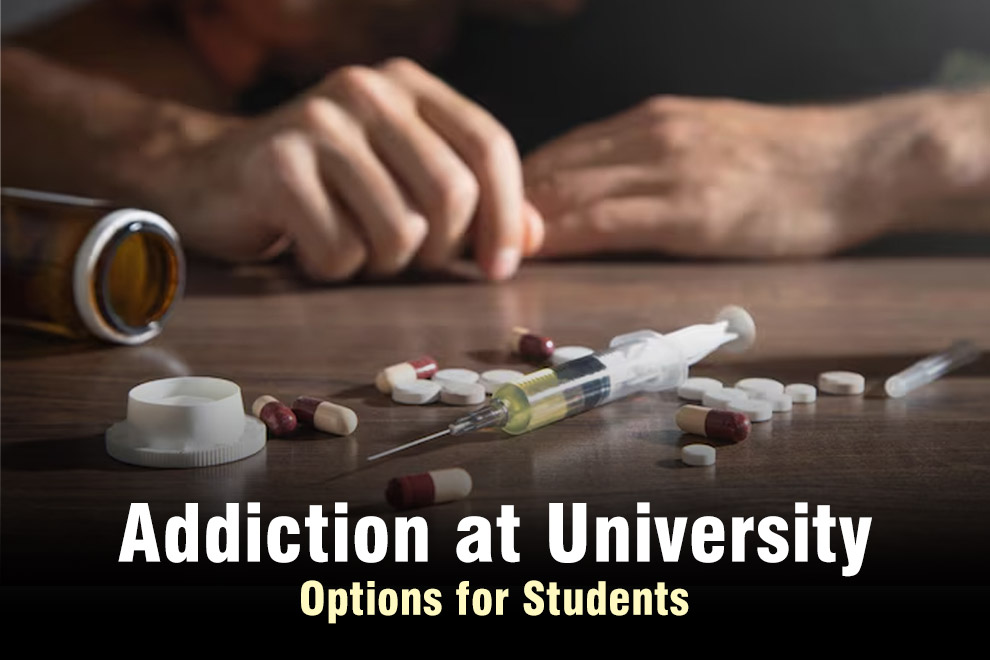
University can be an exciting time, offering new friendships, independence and opportunities to discover what you want from the future. However, it can also bring significant pressures. Academic deadlines, financial worries, loneliness, social expectations and adjusting to life away from home can all affect a student’s mental health. For some, these pressures can contribute to problematic drinking, drug use, gambling or other addictive behaviours.
Addiction can affect anyone, regardless of their background or circumstances. Recognising that there is a problem is not a sign of weakness, and students don’t have to wait until their situation becomes a crisis before asking for help. There are several options available for anyone concerned about their own behaviour or worried about a friend.
Speak to Someone You Trust
One of the simplest first steps can be talking to someone you trust. This could be a close friend, partner, family member, tutor or university staff member.
Talking openly can feel uncomfortable, particularly if you’re worried about being judged. However, keeping problems secret can make them feel even more difficult to manage. You don’t need to have all the answers before starting the conversation. Simply saying that you’re struggling can be enough.
A trusted person can also help you recognise changes in your behaviour that you may not have noticed yourself.
Contact Your University Support Services
Most universities have services designed to support students experiencing difficulties with their physical and mental wellbeing. Depending on the institution, this may include counselling, student wellbeing teams, disability services, welfare advisers or specialist support relating to substance use.
These services are often familiar with the pressures students face and can provide a confidential place to discuss what’s happening. They may also be able to help with practical issues, such as managing academic responsibilities while you seek support.
If you’re unsure where to begin, your university’s student services department or website should be able to point you in the right direction.
Talk to Your GP
A GP can provide confidential medical advice and discuss the impact that alcohol, drugs or another addictive behaviour may be having on your health.
They can assess your circumstances and help you understand what support may be appropriate. Depending on your needs, they may recommend local treatment services, counselling or other forms of professional support.
If you’re worried about your physical or mental health, don’t assume that your problem isn’t serious enough to discuss with a doctor. It’s better to seek advice early.
Consider Specialist Support
There are organisations and specialist services that provide support for people experiencing addiction. Depending on where you live, these may offer counselling, peer support, recovery programmes like alcohol detoxification or practical advice.
Some students may prefer specialist services because they can speak to people who have particular experience with addiction. Others may benefit from group support, where meeting people with similar experiences can reduce feelings of isolation.
There is no single recovery journey that works for everyone. Finding the right type of support may take time, and that’s perfectly normal.
Look at the Wider Picture
Addiction doesn’t always exist in isolation. Stress, anxiety, depression, trauma, financial difficulties and relationship problems can all contribute to unhealthy coping behaviours.
For this reason, it’s important to consider what may be happening underneath the behaviour. If alcohol or drugs have become a way of dealing with academic pressure or difficult emotions, simply removing that coping mechanism without addressing the underlying problems can be challenging.
Building healthier routines can help alongside professional support. Regular sleep, exercise, nutritious meals, hobbies and spending time with supportive people can all contribute to better wellbeing.
Supporting a Friend
If you’re concerned about another student, approach the subject calmly and without judgement. Explain what you’ve noticed and let them know that you’re worried about them.
You cannot force someone to seek help, but you can listen, encourage them to contact appropriate services and remind them that support is available. Avoid making accusations or giving ultimatums unless there is an immediate safety concern.
You Don’t Have to Handle It Alone
Addiction during university can feel isolating, particularly when it seems as though everyone else is enjoying student life without difficulties. In reality, many students struggle with their mental health, substance use or other harmful behaviours.
Whether you start by speaking to a friend, contacting your university, making an appointment with your GP or seeking specialist support, asking for help is an important step. Recovery may not happen overnight, but getting support early can make it easier to regain control and build a healthier, more positive university experience.
Also Read: How to Handle Living with a Drug Addicted Spouse and Understanding the Trauma-Addiction Link