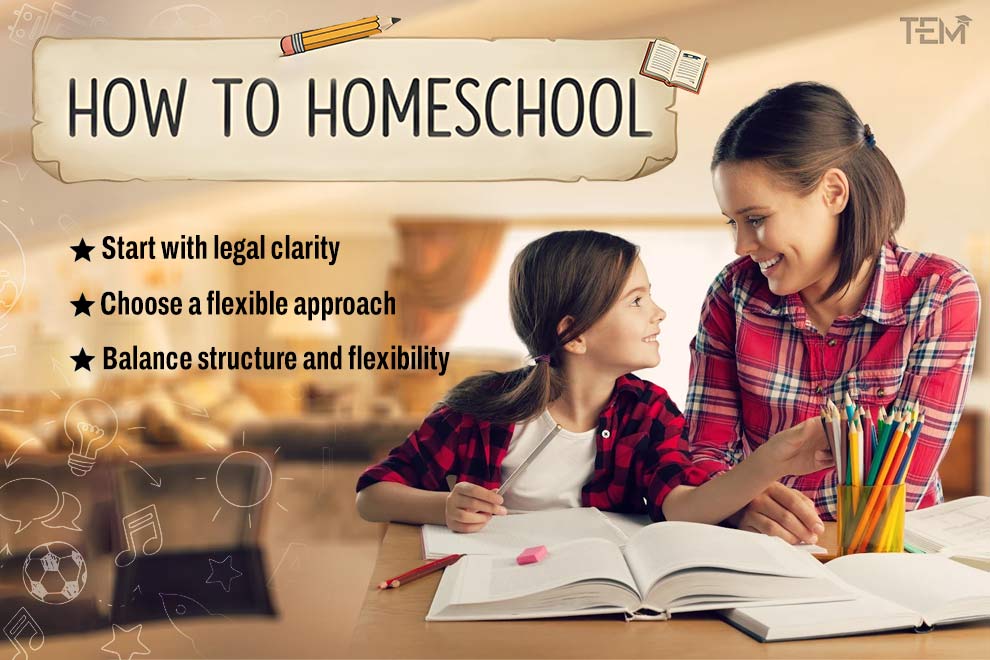
Thinking about homeschooling but unsure where to begin? Learning how to homeschool is a journey that requires clarity, planning, and confidence. Many parents hesitate because they worry about legal requirements, curriculum choices, daily structure, or whether they have the skills to teach effectively.
This guide simplifies the process. Drawing on research-backed strategies and authoritative sources like HSLDA and Scholastic, it explains how to homeschool step by step, from understanding the legal framework to planning lessons, managing costs, and selecting curriculum options.
This article reflects the most common questions parents ask before starting home education and the real-world challenges families face in their first year. It is built on established practices, education research, and legal frameworks widely referenced by homeschool organizations and education authorities.
By the end, you’ll have a clear roadmap to start homeschooling confidently, avoid common pitfalls, and structure learning in a way that works for your family.
How to Homeschool in 5 Clear Steps
| Step | What to Do | Outcome |
| 1 | Understand homeschool laws in your state or country | Legal clarity and compliance |
| 2 | Choose a homeschooling approach that fits your child | Learning aligns with your child’s pace and needs |
| 3 | Select a homeschool curriculum (free, paid, or online) | Clear academic direction and reduced planning stress |
| 4 | Create a flexible learning routine | Consistent learning without burnout |
| 5 | Track progress and stay legally compliant | Documented progress and long-term academic credibility |
Many parents report that the hardest part of educating children at home isn’t teaching, it’s gaining clarity at the beginning. This table removes that uncertainty and provides a clear, practical starting point.
1. What Homeschooling Really Means Today
At its core, homeschooling is a form of education where parents or guardians take primary responsibility for their child’s learning outside of a traditional school setting. Instead of following a fixed institutional schedule, families design learning around the child academically, socially, and developmentally.
Importantly, this approach does not mean recreating a classroom at home. Modern home education spans a wide range of models, from structured, curriculum-led approaches to flexible, interest-driven learning supported by online tools, tutors, and community programs.
How Homeschooling Works in Practice
In practice, homeschooling involves three foundational elements:
- Educational responsibility: Parents oversee learning goals, materials, and progress.
- Legal compliance: Families meet the basic education requirements set by their local authority.
- Flexible delivery: Learning can happen through books, digital platforms, projects, real-world experiences, or a blend of methods.
It can be full-time, hybrid, online, or largely offline. What unites all models is planning rather than rigid standardization.
Who Homeschooling Is Best For
Homeschooling works particularly well for families who value:
- Flexible schedules
- Individualized pacing
- Strong parent involvement
- Learning beyond standardized testing
It may be less suitable for families seeking minimal involvement or expecting homeschooling to function as a fully hands-off alternative. Like any education model, success depends on alignment between expectations and reality.
Common Myths vs. Reality
One of the most persistent myths is that parents must be certified teachers to homeschool. In reality, homeschooling laws in most regions focus on educational outcomes and responsibility, not teaching credentials.
Another misconception is that homeschooled children lack socialization, when, in fact, many participate in co-ops, sports, clubs, and community programs alongside traditional school students.
Many first-time homeschooling families report that legal uncertainty and curriculum overload are the biggest early challenges. Families who begin with a simple structure and adapt gradually are more likely to sustain home education long term.
2. How to Start Homeschooling Step-by-Step for Beginners
Starting homeschooling can feel overwhelming, but approaching it systematically simplifies the process. These steps are grounded in legal and educational best practices, helping parents understand how to homeschool confidently and effectively.
Step 1: Understand Your Legal Responsibility
Before you begin, familiarize yourself with local homeschooling laws. Legal requirements vary by country, state, or region, but most focus on:
- Notification or registration of your intent to homeschool
- Maintaining basic records of attendance and progress
- Ensuring that children receive instruction in core subjects
Consult authoritative sources such as HSLDA or local education departments for accurate guidance. Understanding these obligations early prevents compliance issues later and sets a strong foundation for structured learning.
Step 2: Decide Your Homeschooling Approach
Homeschooling is flexible, and families can choose a model that fits their goals and lifestyle:
- Structured curriculum: Follows formal lesson plans and schedules
- Flexible or interest-led learning: Student-driven exploration with guidance
- Hybrid or online programs: Combines digital tools with in-person activities
Selecting the right approach early ensures consistency and helps you plan resources and time effectively.
Step 3: Plan Structure Without Over-Scheduling
One of the most common mistakes new homeschoolers make is over-planning. To avoid burnout:
- Map out daily and weekly learning routines
- Allocate time for reading, math, creative subjects, and physical activity
- Include real-world learning experiences, such as field trips or community projects
The goal is to maintain a consistent, achievable structure while allowing flexibility.
Step 4: Choose Curriculum and Resources
When learning how to homeschool, curriculum choice is crucial:
- Start with core subjects: reading, writing, math, science, and social studies
- Consider supplemental materials: online courses, educational apps, or local co-ops
- Avoid overbuying: quality resources matter more than quantity
Credible resources like Scholastic and The Edvocate emphasize that materials should support your teaching style, not dictate it.
Step 5: Set Expectations for Progress and Assessment
Tracking learning progress helps ensure educational outcomes:
- Keep simple records of lessons and achievements
- Use informal assessments, portfolios, or standardized tests where appropriate
- Adjust teaching strategies based on your child’s strengths and needs
Structured tracking gives parents confidence and provides evidence of learning for legal compliance when required.
3. Legal Requirements and How to Register for Homeschool
Understanding the legal framework is one of the most critical steps in learning how to homeschool. Compliance with your local education authority ensures your child receives recognized instruction and protects your family from legal complications.
Is Homeschooling Legal?
In most countries, homeschooling is legal, but regulations vary:
- United States: All 50 states allow homeschooling, though requirements differ by state. Some require notification, curriculum approval, and annual assessments.
- Other countries: Laws differ widely; some require registration or formal oversight, others permit homeschooling freely. Always check official government education portals.
Key takeaway: Homeschooling is generally permitted, but verifying local rules is essential before starting.
Notification, Registration, and Record-Keeping
Most jurisdictions expect parents to:
- Notify local education authorities of their intent to homeschool
- Maintain attendance and academic records (grades, assignments, portfolios)
- Report progress or participate in assessments, if required
Sources like LegalMatch emphasize that record-keeping is not meant to be burdensome; it documents that your child is receiving an adequate education.
Why Requirements Vary by Location
Homeschooling laws are shaped by:
- Local educational policy
- State or provincial oversight responsibilities
- Historical regulations and advocacy groups (e.g., HSLDA in the U.S.)
While specific steps differ, the core principle remains the same: your child must receive a recognized education in core subjects, and parents must document it sufficiently.
Tips for Navigating Legal Compliance
- Join a local homeschool association or co-op, which often provides templates for notifications and records
- Keep simple but consistent logs of daily learning
- Consult credible sources for your area before purchasing a curriculum or starting lessons
Following these steps ensures you can focus on teaching and learning, rather than legal uncertainty.
How Much Does Homeschooling Cost?
Understanding how to homeschool includes knowing the financial aspect. Costs can vary widely depending on curriculum choices, learning methods, and supplemental activities. While home education can be affordable, planning a realistic budget ensures your child receives a high-quality education without unnecessary expenses.
Typical Homeschooling Cost Ranges
Annual Homeschooling Cost Breakdown
| Cost Category | What It Typically Includes | Estimated Annual Cost | Best Fit For |
| Low-cost or free homeschooling | Free online resources, library materials, and community programs | $0–$500 | Families are comfortable curating learning materials independently |
| Moderate-cost homeschooling | Purchased curriculum, workbooks, and occasional online programs | $500–$2,500 | Families seeking structure without high overall expense |
| Premium homeschooling | Curriculum packages, online academies, tutors, extracurricular programs | $2,500–$5,000+ | Families prioritizing convenience and structured academic support |
Important note: Homeschooling costs vary by region, grade level, and program type. Tracking actual expenses helps parents plan efficiently for future academic years.
Free and Low-Cost Homeschooling Options
Many families successfully support learning at home with minimal financial investment by using accessible learning resources.
Common Free or Low-Cost Resources
| Resource Type | Examples | Educational Value |
| Online educational platforms | Khan Academy, CK-12, similar free programs | Standards-aligned instruction across core subjects |
| Library resources | Books, audiobooks, educational media | Broad academic access at no cost |
| Community learning opportunities | Co-ops, sports programs, arts classes, and field trips | Social development and hands-on learning |
These options allow parents to focus on teaching quality rather than cost, while still supporting strong educational outcomes.
Online Programs vs Independent Homeschooling
Some families prefer online programs, while others opt for independent approaches when choosing this learning model.
Cost and Structure Comparison
| Approach | Key Advantages | Cost Considerations | Parent Involvement |
| Online homeschooling programs | Structured lesson plans, automated progress tracking, and accreditation options | Monthly subscriptions typically range from $50–$500 per child | Moderate |
| Independent homeschooling | Maximum flexibility, significantly lower costs | Minimal financial outlay but higher time commitment | High |
Balancing cost with structure ensures the homeschooling approach aligns with both budget realities and educational goals.
5. Choosing the Right Homeschool Curriculum
Selecting a curriculum is a crucial step when learning how to homeschool. The right materials provide structure, guide learning outcomes, and reduce the stress of planning daily lessons. Curriculum choice should align with your child’s learning style, your teaching approach, and your homeschooling goals.
Curriculum vs Learning Resources
Understanding the difference helps parents make effective decisions:
- Curriculum: Structured programs that outline what your child should learn in each subject and grade
- Learning resources: Supplementary materials such as workbooks, online courses, apps, or library books
Most successful homeschoolers use a blend of core curriculum and supplemental resources to adapt lessons to their child’s strengths and interests.
Structured, Flexible, and Online Options
1. Structured Curriculum:
- Pre-planned lessons and schedules
- Easier for parents who prefer guidance and measurable progress
2. Flexible or Interest-Led Learning:
- Focuses on student-led exploration
- Encourages creativity and deeper engagement
3. Online Programs:
- Comprehensive digital lessons with automated tracking
- Often include grading and assessment tools
- Useful for parents with limited time or expertise
- Choosing a curriculum depends on your comfort level, teaching availability, and your child’s learning needs.
How to Avoid Overbuying or Overplanning
- Focus on quality over quantity; more materials do not equal better learning
- Evaluate resources before purchasing: look for reviews, sample lessons, and alignment with educational standards
- Keep flexibility in mind; overly rigid curricula can limit your child’s curiosity and engagement
Tip: Start with a manageable set of core subjects, then add enrichment materials as needed. This approach reduces overwhelm and maintains consistency in learning.
6. How to Homeschool by Grade Level
Homeschooling strategies differ depending on your child’s age and grade. Understanding these differences is essential for parents learning how to homeschool effectively, ensuring each stage supports growth, skill development, and academic readiness.
Homeschooling Preschool and Kindergarten
- Focus on foundational skills: literacy, numeracy, social skills, and motor development
- Use play-based learning: interactive games, storytelling, art, and music
- Limit formal instruction to short, engaging sessions to maintain attention
- Encourage exploration: trips, nature walks, and hands-on activities
Elementary School Homeschooling
- Emphasize core subjects: reading, writing, math, science, and social studies
- Introduce structured assignments alongside project-based learning
- Begin documenting progress for legal compliance, using portfolios or simple logs
- Foster independence while maintaining guidance and supervision
Middle School Homeschooling
- Balance structured curriculum with student-led exploration
- Begin teaching critical thinking, problem-solving, and time management
- Integrate online learning platforms for math, science, or foreign languages
- Encourage extracurricular activities for socialization and skills development
High School Homeschooling and Credits
- Focus on college and career readiness
- Plan courses to meet graduation requirements, including core and elective subjects
- Keep detailed records for transcript creation and post-secondary applications
- Consider standardized testing, AP classes, or dual enrollment for additional credentialing
- Online programs or tutors, such as AI tutors, can supplement areas where parents lack expertise
7. Online Homeschooling Options and Flexible Learning Models
For many families, learning how to homeschool includes considering digital tools, hybrid programs, or fully online curricula. Flexible models allow parents to balance education with work, extracurriculars, and family life while ensuring academic progress.
Fully Online Homeschooling Explained
- Online homeschooling programs provide structured lessons, automated tracking, and assessment tools
- Offer flexibility in scheduling, students can learn at home while parents work
- Often include accredited courses, helping students earn recognized credits or diplomas
- Popular for parents seeking comprehensive support with minimal curriculum planning
Hybrid and Parent-Led Online Learning
- Combines online resources with in-person activities like co-ops, labs, and field trips
- Allows parents to tailor the pace and subjects to their child’s needs
- Useful for children who thrive in hands-on learning environments while benefiting from online flexibility
Homeschooling While Working Full-Time
Flexible models make homeschooling possible for working parents
Strategies include:
- Assigning independent online lessons during work hours
- Scheduling group sessions or co-op classes after school
- Utilizing educational apps and digital platforms for reinforcement
Careful planning ensures children stay on track academically without overburdening parents
Benefits of Flexible Homeschooling Models
- Personalized pacing and curriculum adaptation
- Ability to incorporate global and online learning resources
- Supports parental involvement without requiring full-time teaching expertise
- Encourages student independence and responsibility
8. How Homeschoolers Graduate and Get Diplomas
Understanding how to homeschool also means knowing how students transition from homeschooling to graduation, college, or careers. Unlike traditional schools, homeschoolers and their parents are responsible for tracking progress and ensuring requirements are met.
Who Issues a Homeschool Diploma
- Homeschool diplomas are typically issued by the parent or legal guardian, or through an accredited homeschool program
- Some online programs provide official transcripts and diplomas, recognized by colleges and universities
- Diploma requirements vary by state, so it’s important to consult local regulations
College and Career Pathways for Homeschoolers
- College Admissions: Most colleges accept homeschool transcripts if they clearly outline courses, grades, and credits
- Standardized Testing: SAT, ACT, or state-specific exams may be required for college applications
- Career Options: Homeschoolers can pursue vocational programs, apprenticeships, or professional certifications, depending on their education level
Tip: Maintain detailed records of curriculum, assignments, and assessments to ensure diplomas are credible and widely recognized.
Recommended Graduation Planning Steps
- Track courses completed each year, ensuring all core subjects are covered
- Prepare a homeschool transcript, documenting grades and credits
- Consider enrichment programs, AP classes, or dual enrollment for additional credentials
- Stay aware of local graduation requirements to ensure compliance and recognition
By following these steps, parents and students can confidently transition from homeschooling to higher education or professional paths, while maintaining accountability and credibility.
9. Common Homeschooling Mistakes (and How to Avoid Them)
Learning how to homeschool is a rewarding journey, but even experienced parents can make mistakes that hinder progress. Recognizing these pitfalls early helps families create a structured, effective, and enjoyable learning environment.
Mistake 1: Over-Structuring the Day
- Trying to mimic a traditional school schedule can overwhelm both students and parents
- Solution: Create a flexible daily routine that balances core subjects, creative activities, and breaks
Mistake 2: Curriculum Overload
- Purchasing too many programs or materials leads to confusion and wasted resources
- Solution: Start with a core curriculum, supplement selectively, and adjust as needed
Mistake 3: Neglecting Documentation
- Failing to track lessons, progress, or grades can create legal issues or gaps in learning
- Solution: Keep simple logs, portfolios, or digital records of assignments, assessments, and achievements
Mistake 4: Comparing Too Early or Too Often
- Comparing your child’s progress to others can create unnecessary pressure
- Solution: Focus on individual growth, celebrate milestones, and adjust learning pace to your child’s needs
Mistake 5: Ignoring Socialization Opportunities
- Some parents worry that homeschooled children won’t socialize
- Solution: Engage in co-ops, sports, arts programs, clubs, and community events to foster interpersonal skills
My Perspective: Why Homeschooling Works When Done Right
Learning how to homeschool isn’t about perfection; it’s about intentionality, planning, and adapting to your child’s unique learning style. Every family’s journey is different, but the principles remain the same: understand the law, choose the right curriculum, plan thoughtfully, track progress, and provide opportunities for social growth.
Homeschooling allows families to:
- Create a personalized learning environment
- Foster independence and critical thinking
- Balance flexibility with structure
- Prepare children for college, careers, and life beyond the classroom
If this guide helped you understand how to homeschool, share it with other parents who are exploring homeschooling for the first time. Bookmark it as a reference, and take your first step toward creating a meaningful, well-planned learning journey at home.
FAQs
1. Is homeschooling effective?
Research and expert guidance show that homeschooled students often meet or exceed academic standards compared to their peers in traditional schools.
2. How much time does homeschooling take?
Typically, 3–6 hours per day for core subjects, plus time for enrichment, social activities, and project-based learning. Flexibility allows parents to tailor schedules to their child’s needs.
3. Can parents without teaching experience homeschool?
Absolutely. Parents act as facilitators and guides. Curriculum resources, online programs, and co-ops provide structure and expertise.
4. How do homeschooled children socialize?
Through co-ops, extracurriculars, sports, arts, volunteer work, and online learning communities.
5. What grades or ages can be homeschooled?
Children from preschool through high school can be homeschooled. Methods and structure vary by age and learning goals.