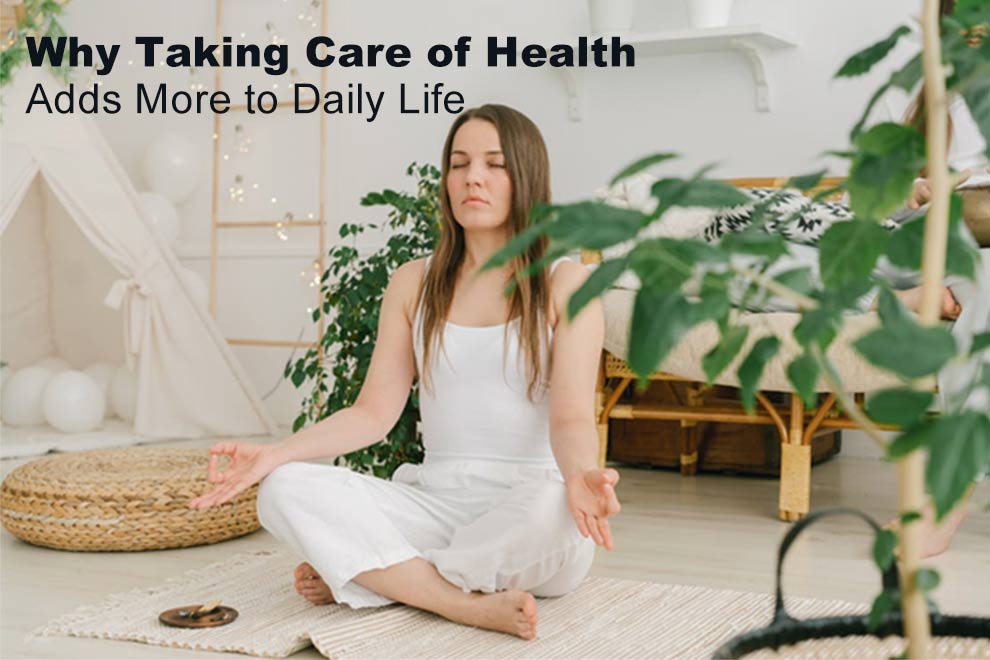
Health touches almost every part of daily life. From the meals people prepare to the time they spend with family and friends, health influences how each moment feels. It is not about strict rules or complex systems but about steady habits that support a balanced lifestyle. When attention is given to health, daily routines often feel smooth, and ordinary experiences carry more value.
Taking care of health also adds to the way people connect with others and handle responsibilities. A person who feels steady and present tends to enjoy social activities and stay engaged in family life. Health is central to how people live each day.
Building Confidence
Confidence often grows out of self-care that is steady and consistent. Setting aside time for routines such as grooming, light exercise, or meal preparation sends a clear message that health is being valued. This kind of care provides a sense of assurance that carries throughout the day. People who regularly give themselves attention in this way often feel settled and ready for whatever comes next.
This sense of confidence shows up in many areas of life. At work, it can support focus and presence. In personal life, it helps people feel comfortable engaging with others.
Eating Mindfully
Food choices are at the heart of daily health. Preparing meals with care, choosing ingredients that feel nourishing, and eating at regular times all support consistency. When people focus on simple approaches to food, such as cooking at home or planning meals proactively, eating becomes intentional.
Supplements can also be part of this routine without replacing meals. Products from USANA Health Sciences offer practical options for people who want something supportive alongside their usual food. They’re used to complement eating habits rather than to take the place of balanced meals.
Social Activities
When people have routines that support their well-being, they are inclined to take part in gatherings and outings. Whether it is attending a community event, meeting friends for dinner, or visiting relatives, being able to join in fully depends on how health is cared for day to day.
Social life also benefits from the presence and focus that health supports. Conversations flow more easily, and time with others feels more enjoyable when people are attentive and engaged.
Family Engagement
Family routines often reflect the overall state of health within the household. When individuals feel steady and attentive, they are able to contribute to shared activities. Cooking meals together, completing household responsibilities, or spending weekends outdoors all become meaningful when health supports active involvement. Families benefit from the presence and participation of each member.
Habits such as mindful eating, consistent sleep schedules, and thoughtful time management all play a role in shaping family life. They allow people to give attention to loved ones and to be part of experiences that build strong connections.
Balance of Rest and Activity
Life feels steady when there is balance between time for rest and time for movement. Paying attention to this balance allows people to recharge while also staying active in ways that keep them engaged. Rest might look like taking time to relax at home or getting a full night’s sleep, while activity could involve walking, gardening, or doing light exercise. Neither side should be neglected, as both contribute to how the day unfolds.
A person who takes time to rest is better able to enjoy periods of activity, while activity itself can make rest feel rewarding.
Enjoying Hobbies
Personal interests often depend on having enough health to take part in them. Whether it is reading, painting, hiking, or cooking, hobbies add color to life and provide a sense of satisfaction. When health is cared for, there is space and energy to enjoy these pursuits.
Hobbies also offer a sense of identity and joy that carries into other areas of life. They provide opportunities for creativity, relaxation, and social connection.
Comfort in Movement
Daily routines often involve some level of physical activity, even if it is as simple as walking to the store or carrying groceries. When health is prioritized, such tasks feel less demanding. Comfort in movement comes from steady attention to practices that keep the body capable of handling everyday actions.
Dancing at a gathering, joining a fitness class, or playing with children becomes enjoyable when movement feels natural.
Meaningful Connections
Health also influences the quality of relationships. When people feel steady and attentive, they can be present in conversations and engaged with loved ones. This presence allows relationships to grow strong and interactions to feel genuine.
Strong connections add to well-being by providing support and a sense of belonging. Sharing meals, spending time together, or simply talking at the end of the day carries weight when everyone is engaged.
Everyday Independence
Independence is one of the most valued aspects of daily living. Being able to make choices, handle tasks, and manage routines without constant assistance gives people confidence and dignity. Health plays a direct role in supporting this independence.
From managing household responsibilities to organizing personal schedules, independence grows when health is cared for. The ability to rely on oneself for daily needs allows for a lifestyle that feels stable and self-directed.
New Experiences
Exploring something new often requires energy, attention, and openness, all supported by good health. Whether it is trying a new type of food, visiting a different place, or taking up a fresh hobby, experiences feel rewarding when people are ready to participate fully.
New experiences add variety and excitement to life. They expand perspectives and create lasting memories.
Household Routines
Daily life often involves tasks like cooking, cleaning, shopping, or managing schedules. A sense of stability grows from knowing that routines can be managed without constant strain.
Household routines also create structure for families and individuals alike. When tasks are completed consistently, there is more time left for enjoyment and relaxation.
Positive Outlook
A positive perspective often comes from feeling steady and cared for. Health plays a role in this by influencing focus and comfort. When people feel balanced, they approach daily life with optimism.
This outlook shapes interactions with others and responses to challenges. A positive perspective encourages patience, kindness, and appreciation of ordinary moments.
Health adds depth to daily life in ways that go beyond physical well-being. It shapes how people eat, how they move, how they interact with others, and how they carry out responsibilities. When health is cared for, ordinary routines feel steady, social moments feel rich, and family life feels connected.
Also Read: How to Improve Issues Found in Your Credit Health Report