Healthcare has always been a fast-moving field. New treatments, new technology, and changing patient needs keep professionals on their toes. To keep up, continuing education has become more important than ever. The way people learn is also changing. Traditional classrooms are no longer the only option for busy professionals.
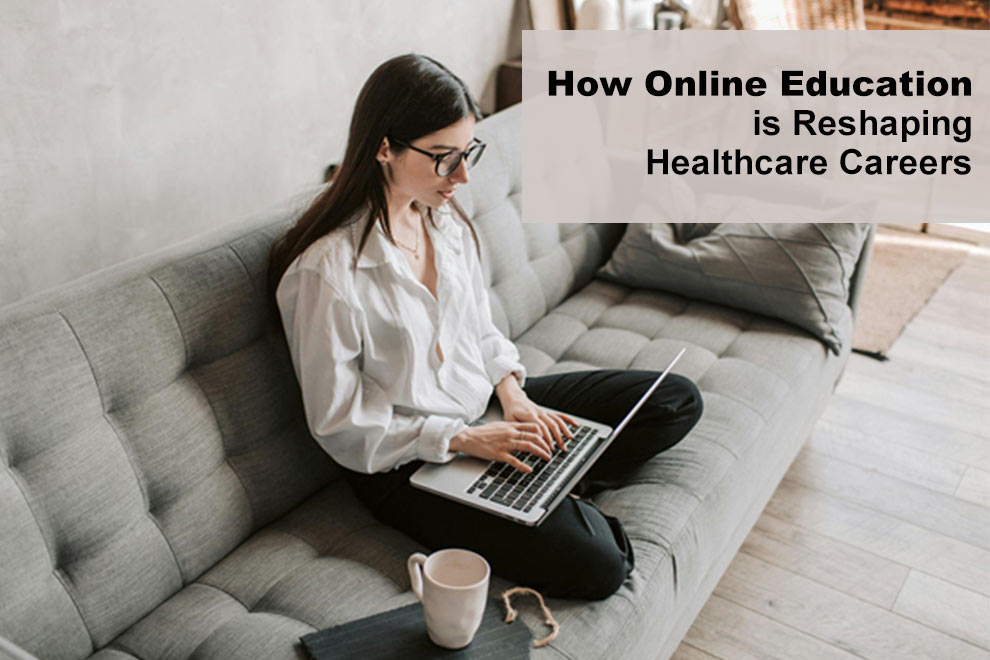
Online education has stepped in as a flexible and practical solution. More nurses, therapists, and healthcare workers are using it to grow in their careers. The rise of online programs means that people can balance their work with study without putting their lives on pause. This shift is reshaping not only how healthcare workers learn but also how they move forward in their careers.
Flexibility That Fits Busy Healthcare Schedules
Healthcare jobs often come with long hours, night shifts, and unpredictable schedules. For many, the thought of sitting in a classroom after a twelve-hour shift just isn’t realistic. That’s why the flexibility of online education is so important. Programs are designed to let students learn when it works best for them.
Nurses, for example, can log in to complete assignments in between shifts. They don’t have to sacrifice family time or step back from their jobs to attend classes. This flexibility means career advancement becomes possible for more people, not just those who live near a university campus or can afford to cut back on work.
For those who want to advance into specialized roles, this option is even more valuable. Family Nurse Practitioners are a good example. Many registered nurses want to move into advanced practice without leaving the workforce. That’s why getting a degree from FNP schools online have become a practical path forward. They give nurses the chance to earn an advanced degree and gain the skills needed to provide primary care, while still working in their current roles.
Expanding Access to Graduate Programs
Online education has also widened access to graduate-level study. In the past, only those living near large cities or well-known universities had the chance to pursue advanced degrees. Today, professionals in rural or underserved areas can apply to programs that might have once been out of reach.
This shift makes a big difference in healthcare. Areas that struggle with provider shortages often need more professionals with advanced training. Online learning creates a bridge for those who want to stay in their community while gaining skills that will benefit patients.
More nurses and healthcare professionals are now able to work toward master’s or doctoral degrees. It is not only opening doors for individuals but also helping improve care in regions that need it most.
Technology Bringing Classrooms to Life
Some people think of online classes as a lonely process, but modern programs have changed that idea. Technology has made online education more engaging than ever. Students often interact through live discussions, video lectures, and collaborative projects.
Healthcare programs are also using virtual simulations and digital labs to prepare students for real scenarios. Nursing students, for instance, can walk through case studies, practice decision-making, and even use simulation tools that mimic patient care situations.
These tools bring the classroom to life and give students real practice in a safe environment. By the time they move into clinical placements, they already have valuable experience under their belt.
Keeping Up With Rapid Healthcare Changes
Healthcare is one of the fastest-changing industries. From policy updates to new treatments and technologies, what professionals learn must stay current. Online programs have the advantage of being able to update coursework quickly.
When guidelines or best practices shift, faculty can refresh the content in real time. Students benefit right away, instead of waiting years for a printed textbook to catch up. This allows healthcare workers to apply new knowledge immediately in their daily practice.
Staying current is essential for professionals who want to provide safe, effective care. Online education makes it easier to keep pace with the constant changes in the field.
Career Growth Opportunities
For many healthcare professionals, online programs open the door to new career opportunities. Nurses can move from bedside care to leadership positions. Others may step into education, public health, or advanced practice roles.
Graduate-level education often comes with increased pay, more independence, and a greater voice in shaping care. With online options, these benefits are within reach for more people. They no longer need to choose between keeping their jobs and going back to school.
Healthcare organizations also benefit. When more employees pursue advanced education, it raises the level of care across the board. Patients, communities, and healthcare systems all gain from professionals who are trained in the latest practices.
Community and Networking in Online Programs
One of the myths about online education is that students work in isolation. In reality, online programs are designed to encourage connection. Students often participate in discussion boards, group projects, and live video meetings.
These tools create a sense of community even without a physical classroom. Networking with classmates and professors can also open new career doors. Many students find opportunities through contacts they make during their online studies.
In healthcare, where collaboration is a daily part of the job, this online networking experience prepares students for the teamwork they’ll continue to practice in their careers.
Support Services That Make a Difference
Good online programs also offer strong student support. Academic advising, career counseling, and technical help are often built in. For healthcare professionals who may not have much time to spare, these services can be the difference between struggling and thriving in a program.
Universities understand that online learners have unique needs. Many provide one-on-one coaching, resume help, or even assistance finding clinical placements. This support helps students stay on track and finish their degrees with confidence.
Online education is doing more than making classes available on a computer screen. It’s changing how healthcare professionals learn, grow, and serve their communities. With flexible schedules, expanded access, engaging technology, and strong support, online learning is helping shape the next generation of healthcare leaders.
For nurses and other professionals, the chance to continue working while advancing their education is a powerful shift. It means they can keep serving patients today while preparing to take on even greater roles tomorrow. Online education is not just reshaping careers. It’s reshaping healthcare itself.
Also Read: Why Advanced Training Matters in Meeting Today’s Healthcare Challenges